Food on the Pacific Crest Trail

What you decide to eat on the Pacific Crest Trail is just about as personal of a decision as it gets. In this post, I will detail what I decided to eat and why, but know that your preferences will likely be different from mine.

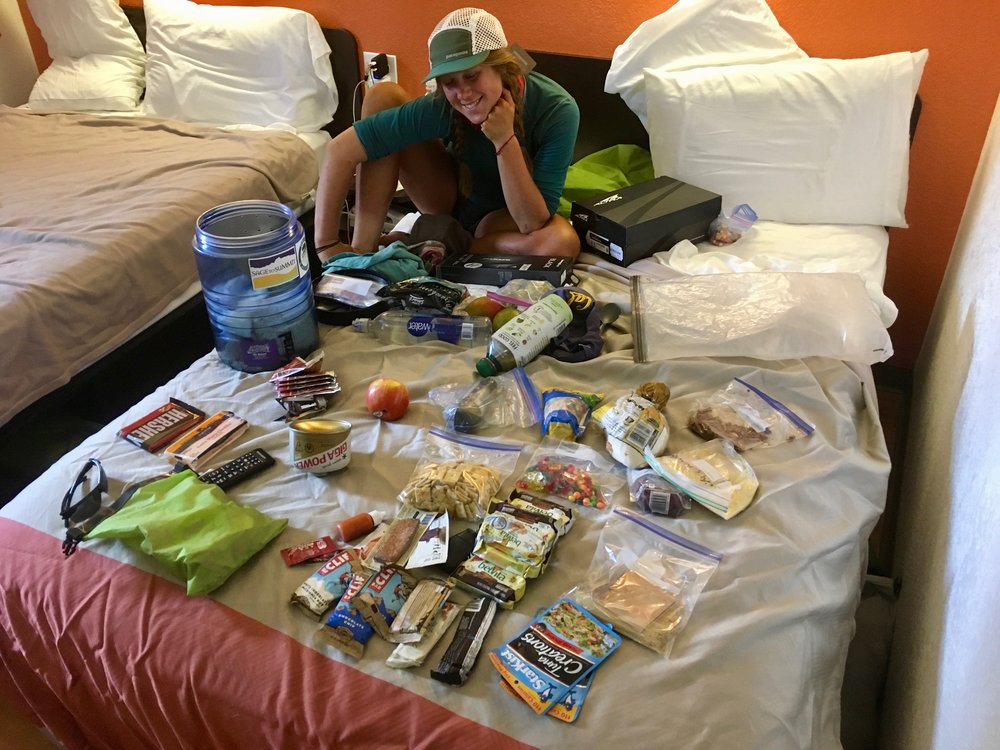
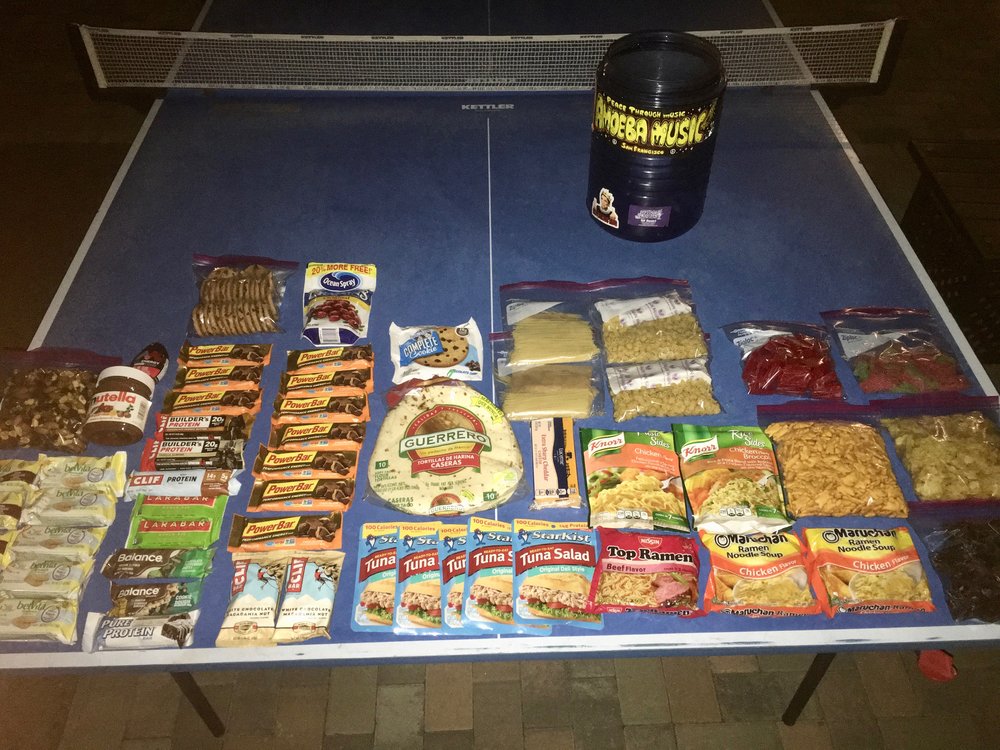
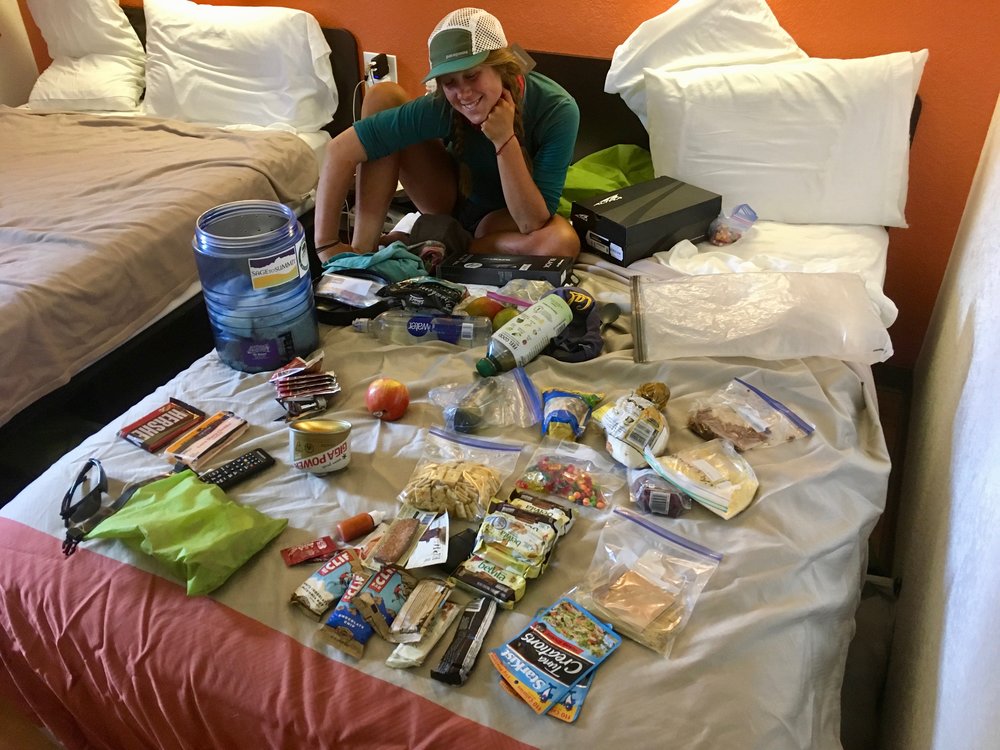
As far as my initial approach, I did not count calories for my resupply, factor in a good ounce/calorie ratio, or, in full honesty, focus too much on nutritional value. I didn’t have extensive backpacking experience, so I pretty much just read blogs and picked out food for my resupply boxes that sounded good. Once on trail, my tastes and calorie intake changed, so I adjusted. Everything about this trail is about adjusting. With that in mind, here are the basic things I ate on trail, why I stuck with them, or why I changed my mind about them:

Trail Foods I Enjoyed

BREAKFAST

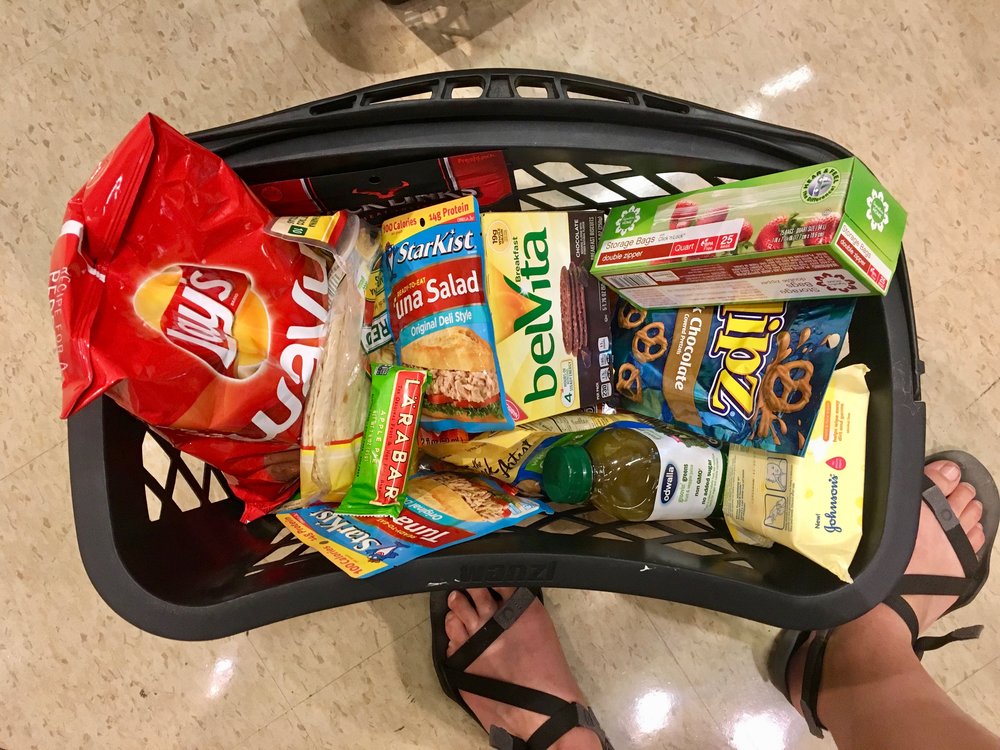
Breakfast was the meal that I had the most difficulty with figuring out what worked best for me. There were a couple of factors at play: I wanted it to be fast to eat so I could get going quickly, I didn’t want to cook in the morning, I needed it to have enough calories, and I wanted a quick clean up.
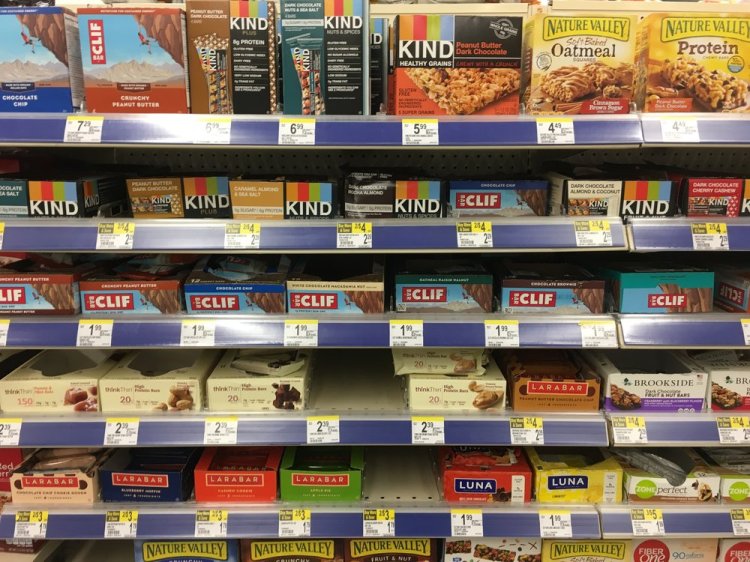
So many bars to choose from
  1. Bars: This was by far my most typical breakfast on trail. I had no interest in cooking early in the morning and was much more focused on packing up camp. Bars were great because they required no cooking, no clean up, and I could eat them while still laying in my sleeping bag. In fact, I used chewing as a tiny way to get my body moving and awake early in the morning. My favorite breakfast bars were ProBars and Gatorade Whey Protein Bars because they were filling and packed more than 300 calories.
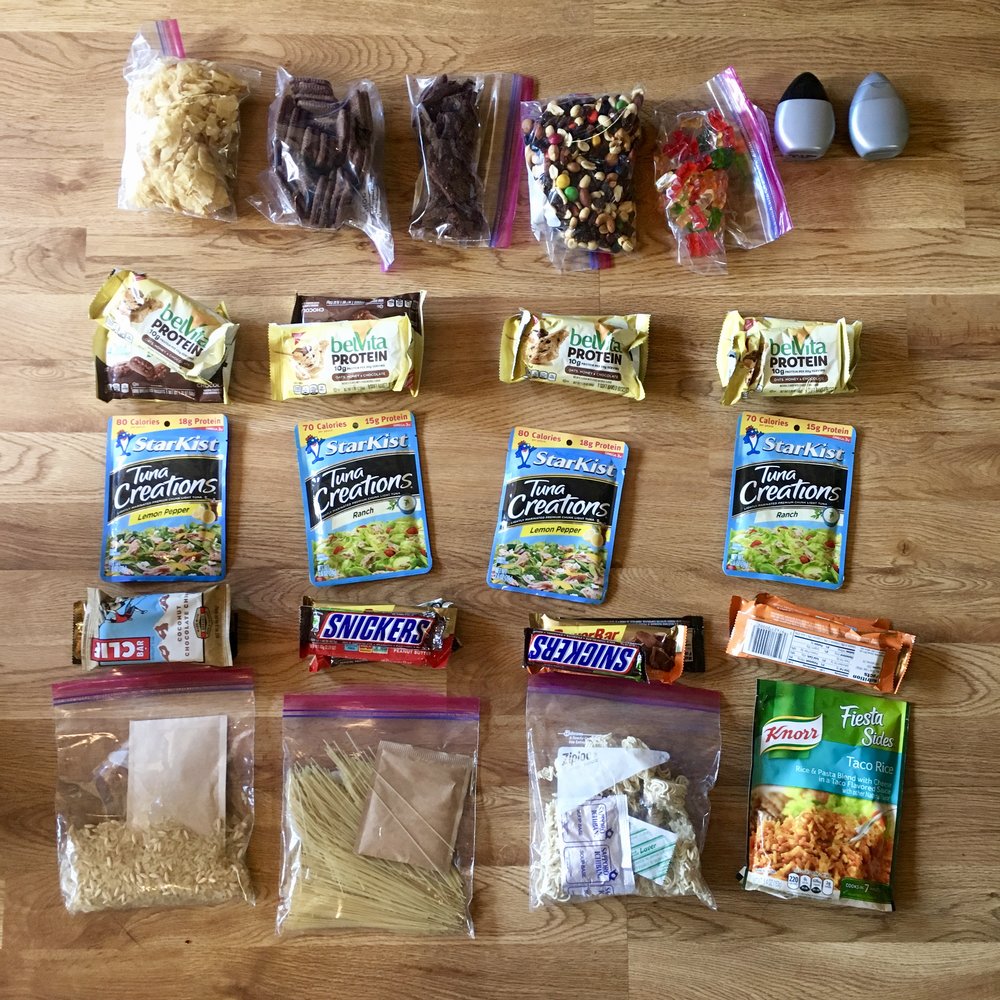
  2. BelvitasBefore I relied solely on bars, I used Belvita breakfast biscuitsfor quite some time on trail. The perks were that they were tasty and oddly filling for how small and light they were. At first I ate only one 230 calorie package in the morning, but I eventually bumped this up to two packages for more calories. The cons were that they were very crumbly. I would spend time shaking out my tent to get the crumbs from breakfast out. Eventually I switched to bars because they were just easier to eat. But if you get tired of bars, I still recommend Belvitas. I’ve tried all their varieties and have liked all of them: traditionalprotein soft-bakedsandwichbites. Bites are the least crumbly.

LUNCH

Lunch was the simplest meal of the day. I veered from my staple of a tuna wrap on a couple of occasions, but for whatever reason I never got sick of them. Lunch was also a great time to graze through all my delicious snack foods.
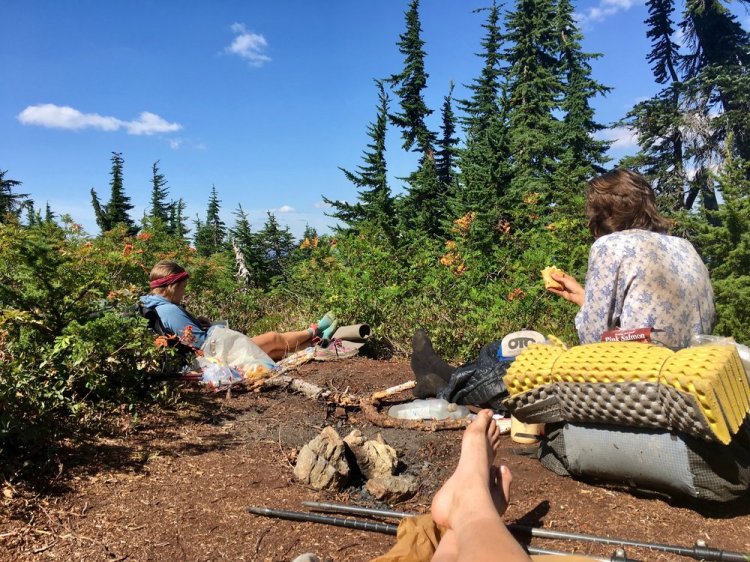
Lunch in Washington
  1. Tuna/salmon tortilla wraps: This was overwhelmingly my most typical lunch on trail. This was partially due to the fact that I took a gamble and bought 40+ tuna packets off of Amazon to put in my resupply boxes. But I credit it more to that I never got sick of the meal. If I had lost interest in tuna, I would have dropped them in hiker boxes and figured out an alternative. But it stuck. For my wraps, I would pair one packet of tuna with a crushed salty snack like Cheez-Its or potato chips and maybe a dash of hot sauce and wrap it all together with one large flour tortilla. This was not my entire lunch, of course, as I boosted my calorie intake with other snacks (detailed later). I ate so much tuna that my mom grew concerned and swapped out some tuna packets for salmon packets, harder to find and a bit more expensive, but they contain less mercury. If I die from mercury poisoning, I will credit it to my time on the PCT. My favorite flavors were Lemon Pepper and Tuna Salad.
  2. Cheese tortilla wraps: For variation, I tried packing out a block of cheddar cheese to use instead of/in addition to my tuna packets. It’s not dangerous to pack out a block of (hard) cheese for a couple days out on the trail. The cheese does “sweat” and become somewhat of a oily mess, so that’s why I cut it out. If your terrain permits it, you can cool off your cheese by refrigerating it underneath snow. Just remember (or ask a friend) to dig out your cold cheese before heading out.
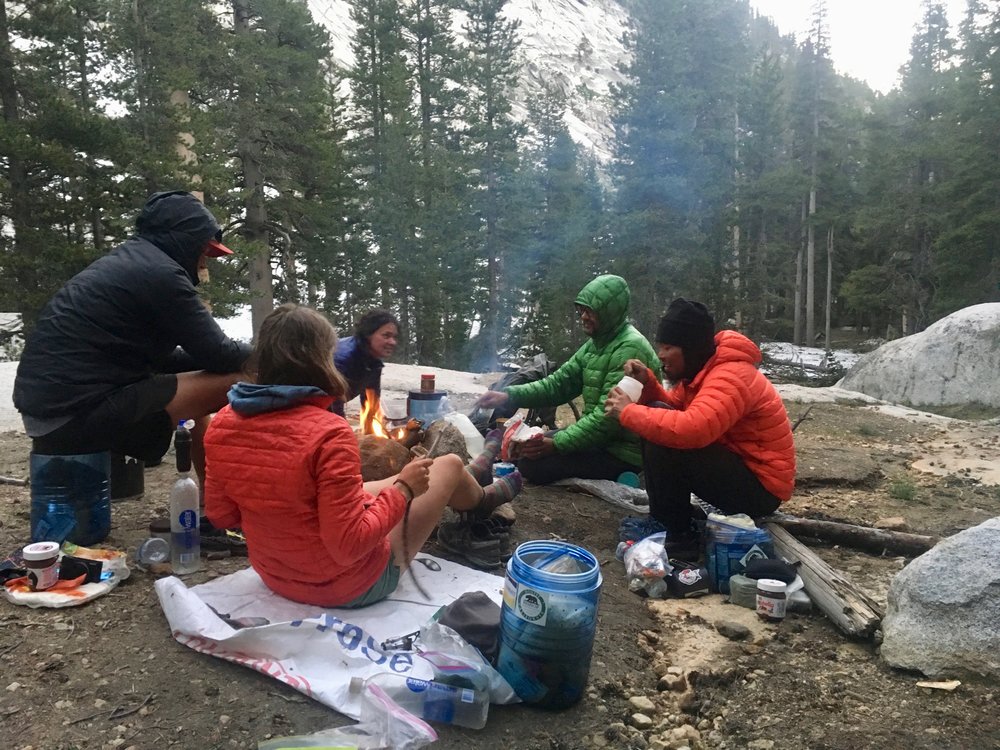
  3. RamenRamen is a tasty, quick option for lunch. You can either spend time cooking it with your stove, or simply re-hydrate it 30–60 minutes before you plan to eat lunch. If you are rehydrating using a Talenti gelato jar like I did, be warned that one pack of ramen will rehydrate to the very top making it difficult to eat with a spoon without noodles spilling over. Because I often ate hot ramen for dinner, I didn’t eat it for lunch very frequently.
  4. My uncle’s dehydrated soups: My wonderful, thoughtful uncle sent me some packets of homemade, dehydrated chilis and white bean soups for me to eat on trail. I tried to cook these for dinner a couple of times, but they took a long time to rehydrate on the stove. I was too impatient to wait for these delicious meals to cook at dinner, so I simply started to rehydrate them in my Talenti jar when we stopped for our first morning break. After a couple hours, they were ready to eat cold at lunch. I loved having a meal that someone else cooked just for me. Thanks, Uncle Matt.

SNACKS

Snacks are everything on trail. When you’re walking 12–14 hours a day, you are burning calories at a far faster rate than what you’re taking in. It’s simply unfeasible to sit down and eat multiple meals every few hours, so that’s where snacks come in.

My snack strategy was broken by morning and afternoon. In the morning, I would put three bars in my left hipbelt pocket that I would eat every 1–2 hours as I became hungry. That is separate from my breakfast bar, so I estimate that I ate 1,000+ calories in bars alone before lunch. In the afternoon, I would swap out the empty bar wrappers with a small plastic baggie filled with non-bar snacks, listed below.

I typically never stopped walking when I ate bars, except for when I ate at a water filtration break. I put snacks in my left hipbelt pocket since I kept my phone, inhaler, and knife in my right hipbelt pocket, as I used my phone in particular more often than I ate snacks (I am righthanded, for context).

  1. Potato chips: Light, highly caloric, salty, easily packable, and tasty. These traits make chips a great backpacking food. In addition to complementing my tuna wraps with a crunch, I would eat these out of a ziploc with my spoon. I was teased about this, but my hands were usually gross and I didn’t want to get them greasy too. My favorite chip flavor was salt & vinegar. Fritos are also a great chip option.
  2. Cheez-ItsJust like potato chips, Cheez-Its are a wonderful backpacking food for the same reasons. When I bought food in towns, I usually only bought a box of Cheez-Its or a bag of chips, not both. My favorite flavor was white cheddar. I also ate these with a spoon because I’m me.
  3. Beef jerky: For whatever reason, I can only recall eating beef jerky while waiting for my dinner to cook. Jerky isn’t super high in calories, so it didn’t make much sense to eat it during the hiking day. It does have protein which, to my understanding, is good for recovery after workouts, but I am by no means a nutritionist. I ate beef jerky because it was tasty and light and varied my snack selection.
  4. Dried mango and dried cranberries: Dried fruit is a backpacking staple. Pretty light, high in calories, and delicious. My favorite dried fruits are mango and cranberries. Mango is pretty expensive to come by on trail, so I usually only ate it when it was in my resupply boxes. I bought Just Dried Mango packets from Trader Joe’s when putting together my boxes because it didn’t have added sugar and was the most cost effective option out of all the local grocers and online stores when I was researching foods for my boxes last year.
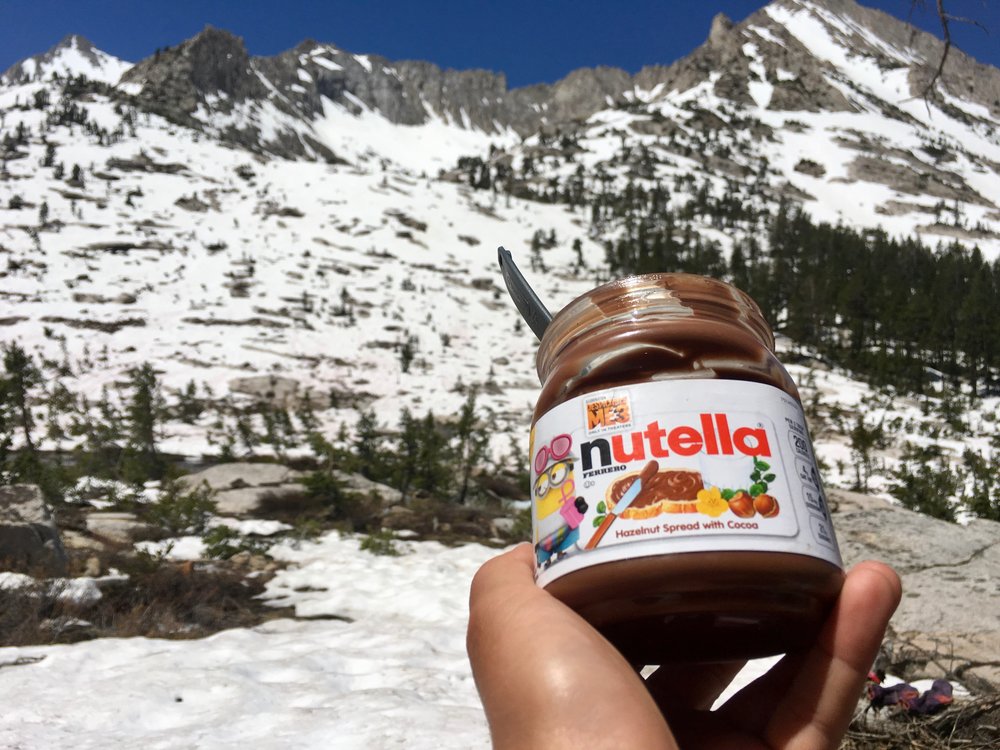
  5. NutellaEveryone loves the person who has a jar of Nutella. Sure way to make friends on trail. The upsides were that it was supremely tasty, you could eat it with just a spoon or on a tortilla, and very high in calories. The downside was clear: weight. A small jar of Nutella is over 14 oz. Oof, but worth the weight in my opinion.
  6. Cookies: Cookies were wonderful treats to eat on trail, but they crumbled almost instantly. But if you use my spoon technique, you can easily eat cookie crumbs in a dignified, mess-free way. I liked to eat Chips O’HoyOreos, and Mother’s Double Fudge Cookies. This snack does not make you feel healthy.
  7. Bars: I’d be remiss if I didn’t write about my most popular morning snacks. I ate over 35 types of bars on trail and these were my favorites or most common bars: Clif Bar White Chocolate MacadamiaClif Bar Coconut Chocolate ChipClif Bar Carrot CakeClif Bar ApricotPowerbar ChocolateKind Bar Almond & CoconutGoMacro Protein PleasureSnickers bars, and Milky Way bars. I recommend you try to notice how different bars impact your body, so you can figure out what works best for you. For example, Powerbars gave me an intense rush of energy due to its sugar content, so I ate this as my first non-breakfast bar whenever I was feeling groggy.

DINNER

This was by far my favorite meal of the day. I really enjoyed the promise of a hot meal at the end of the day. Typically, we didn’t hike after dinner, but when we did, it gave us a boost to finish out the day.
  1. Annie’s mac & cheeseAnnie’s was the holy grail of dinner options for me. A whole box can be used as a single serving. It takes a bit longer to cook than these other dinners, but it’s well worth the weight. I liked to add olive oil and bite-sized chunks of an Epic Bacon Bar for extra flavoring and calories. You can also save some of the pasta water to make it a creamier meal.
  2. RamenOne ramen was never enough for a single dinner, so I created Double Ramen Night. My favorites were double Chicken, Chicken and Chili (fun fact: Chili is a vegetarian option), and double Oriental (also vegetarian). Ramen cooks super fast. And if you’re worried about MSG, maybe use half a seasoning packet. I never did that though. Also I highly recommend trying out other ramen options like NongShim Shin and Sapporo Ichiban.
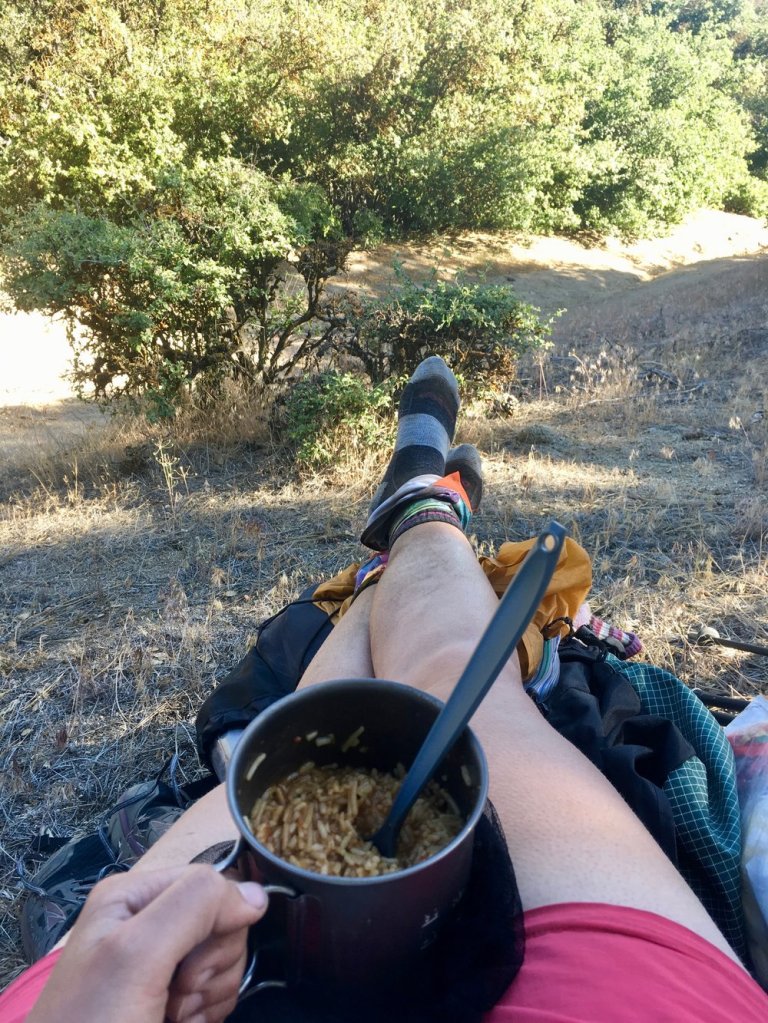
  3. Knorr’s rice sidesKnorr’s is a very popular available dinner option on trail. They come in four categories: pasta sides, rice sides, “Fiesta” sides, and “Asian” sides. They cook fairly quickly. It takes a bit of finagling to cook these with enough/not too much water and not burning them. I recommend filling up the water to about a half inch above the dry pasta/rice mix. Try to stir while it’s cooking so the bottom doesn’t burn. My favorites were ChickenTaco RiceSpanish Rice, and Teriyaki Rice. You will find “Chicken” everywhere you go. I’m fairly certain its seasoning is the same as in Top Ramen Chicken
  4. PastaSpecifically angel hair pasta is the best for on trail because it cooks amazingly quickly. Less than four minutes is pretty wonderful when you’re eager to eat. I recommend waiting for the water to get hot before dropping in the pasta. Otherwise, the pasta will be kind of mushy. You do not need to do this for Knorr’s. Pasta Roni was a good brand for angel hair pasta. You can also buy a pound of angel hair pasta and one or two of these sauce packets for a more cost effective set of dinners.

DRINKS

Water was clearly the most available and frequent drink. It was nice to mix things up with some different options.
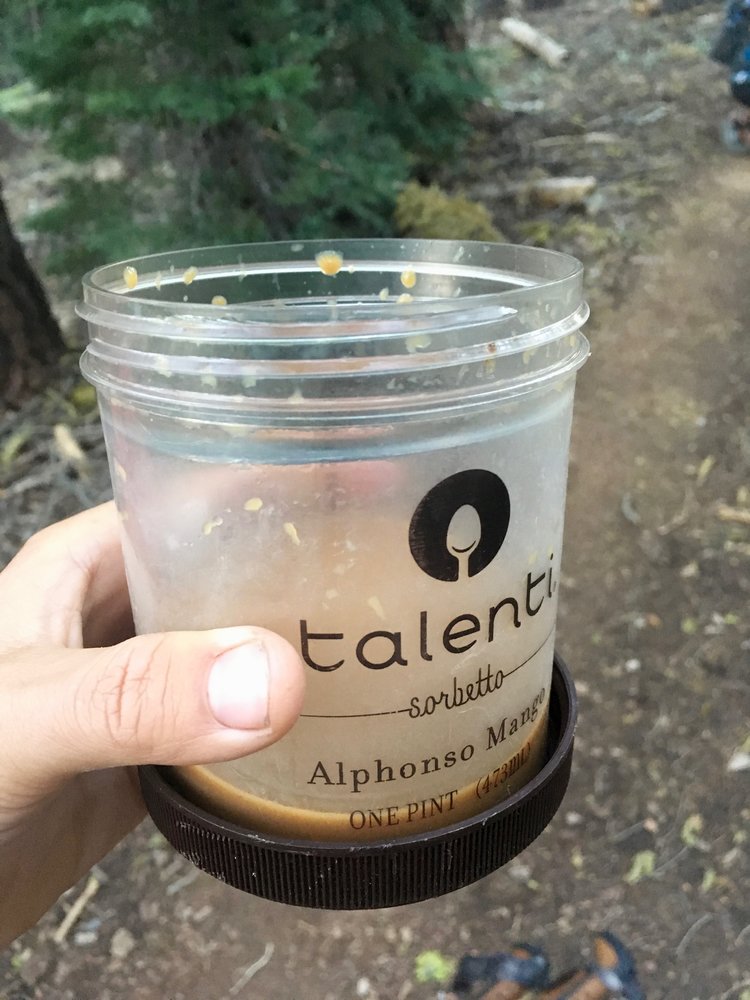
Morning coffee out of my Talenti jar
  1. Trader Joe’s instant coffeeThis is by far the best instant coffee pack, in my opinion. They already come with dried milk and sugar and are cost effective at $0.50 a pack. If you like your coffee black, this isn’t for you. I would put one or two packs in my Talenti jar with not too much water for our coffee breaks or lunch.
  2. Mio ElectrolytyesElectrolytes are super important when you’re working hard and sweating all day. I don’t know the science behind any of it, but I can tell you that I felt much better when I drank electrolytes in the hot afternoon. Mio is great because it comes in an easily squirtable bottle and is pretty easy to find on trail. My favorite flavors were Berry Blast and Lemon Lime.

Trail Foods I Did Not Enjoy

Some foods just don’t work out for you. And that’s perfectly fine. Your least favorite food might be someone’s favorite. Trade it, drop it in a hiker box, or just bite the bullet and eat it.

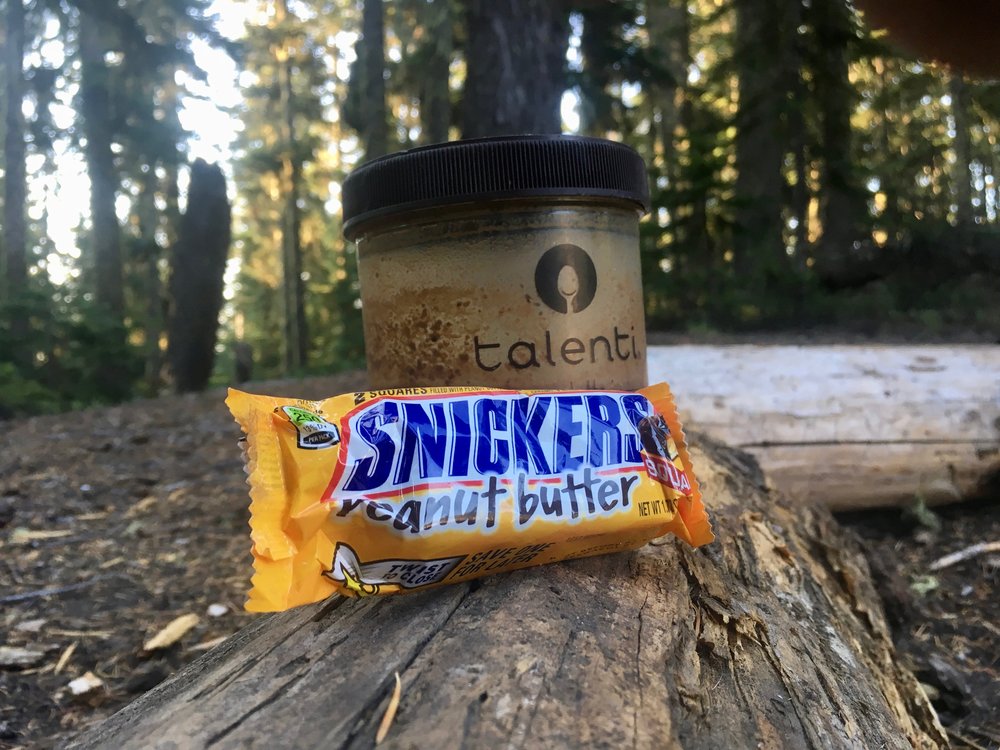
For obvious reasons, I never took pictures of my least favorite foods, so here’s an artsy picture of peanut butter, my arch nemesis on trail. I got some weird looks when I took this picture in Walgreens the other night.

BREAKFAST

  1. Oatmeal: I don’t like oatmeal off-trail, so it didn’t surprise me that I didn’t like it on-trail. Filling? Yes. But tasty? Not in my opinion. Plus, it’s difficult to eat while laying in your sleeping bag.
  2. Granola: I tried granola and water for one section at the beginning. It was tasty, but it took too long to prepare and eat. I also couldn’t eat this in my sleeping bag. Quite bulky as well.
  3. Pop-Tarts: Every blog I read before claimed that Pop-Tarts were the way to go. They are super high in calories, quite small, and dirt cheap. So I tried it out. A couple of major issues: 1. The calories are all sugar, so you get hungry immediately after eating it. 2. They are super crumbly and prone to breaking. It was a mess eating them.

LUNCH

  1. Idahoan instant mashed potatoesTried them once. Never again. I detested the texture and lack of flavor. I forced myself to eat them once in the desert and wrote them off for the rest of the hike. I am in the minority though. These were an extremely popular food option on trail.

SNACKS

  1. Peanut butter: Oh, peanut butter. I like peanut butter off-trail, but for whatever reason, I could not stomach it on trail. I did use peanut butter as a way to supplement my bar breakfast for more calories in Northern California, when I was struggling to keep up with how much energy we were burning. I would take two spoonfuls and swallow them with water like a pill. Not a highlight of my day but it did add needed calories.
  2. Trail mix: I carried trail mix with me every day on trail all the way to the Canadian border. This was because I considered it my emergency rations. In the event that I ran out of food, I would always have trail mix on hand. It did come in handy when I did almost run out of food in one of our first sections in Northern California. Trail mix is just not my favorite snack food, but if it’s yours, that’s terrific.

DINNER

  1. Off-brand mac & cheese: I tried experimenting with non-Annie’s mac & cheese to see if I could save money that way but it turned out awful. The orange was bright neon which freaked me out, and the pasta was mushy. Super cheap mac and cheese wasn’t worth it to me after that.
  2. Dinners that required more than 10 minutes of cooking: Anything that required me to watch my pot while everyone else around me was already eating was quickly nixed.
  3. Mountain House / Backpacker’s Pantry freeze-dried dinners: I thought I would use these as a kind of treat one trail, so I bought six to put in my resupply boxes. The pros are obvious: you only have to boil water, pretty tasty, and no clean up. But the cons are that they are very pricy and quite bulky. I had a terrible stomachache after eating one in Washington which has since turned me off to them forever. I can’t determine whether my pain was directly related to the Mountain House I ate for dinner, but I simply can’t stomach them anymore. If you do decide to eat these, know that “two servings” equals “one PCT serving.” Also if you’re buying their granola and milk packs, what in the world are you doing? You do not have to spend $7 on dehydrated milk and regular granola. That is insane.

DRINKS

  1. Non-Trader Joe’s instant coffee: Any instant coffee that didn’t already have creamer and sugar tasted bitter and awful to me. I only stuck with TJ’s.
  2. Mio Energy Black CherryHoly hell, this stuff tastes nasty. And I drank it for so long! Before using Trader Joe’s instant coffee, I would use this Mio Energy to give myself a boost when we were waking up at 4am in the Sierra Nevadas. It tastes like cough syrup. I knew hikers that would take it like a shot in the morning to get it over with.

Food I Liked to Eat in Town

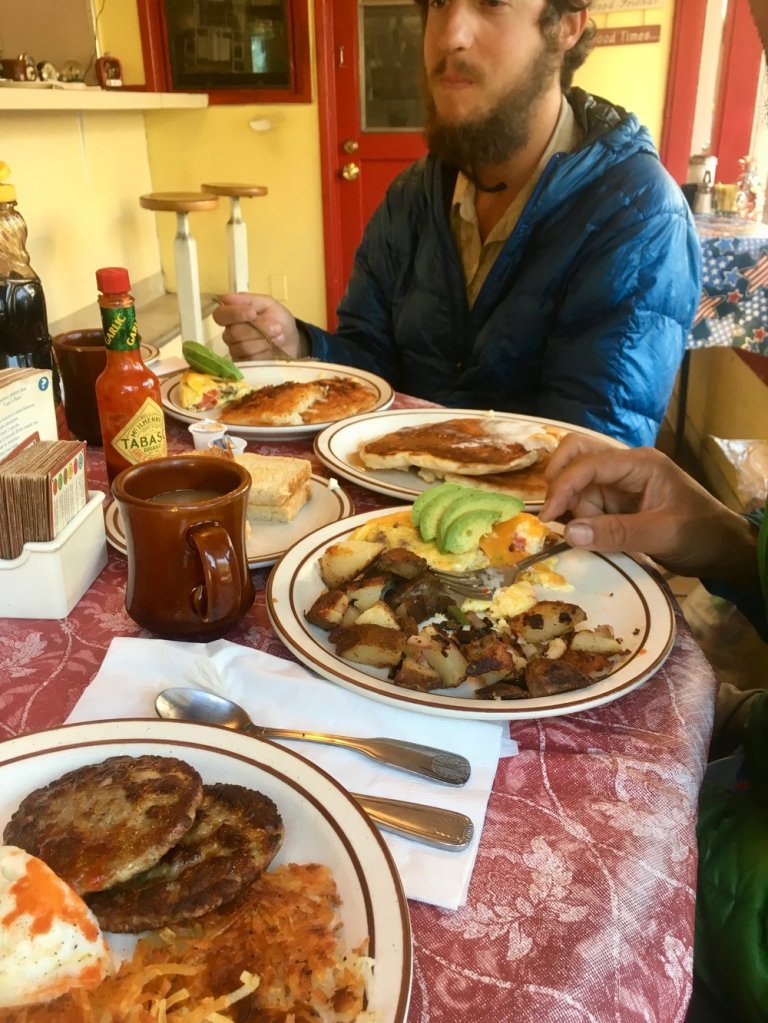
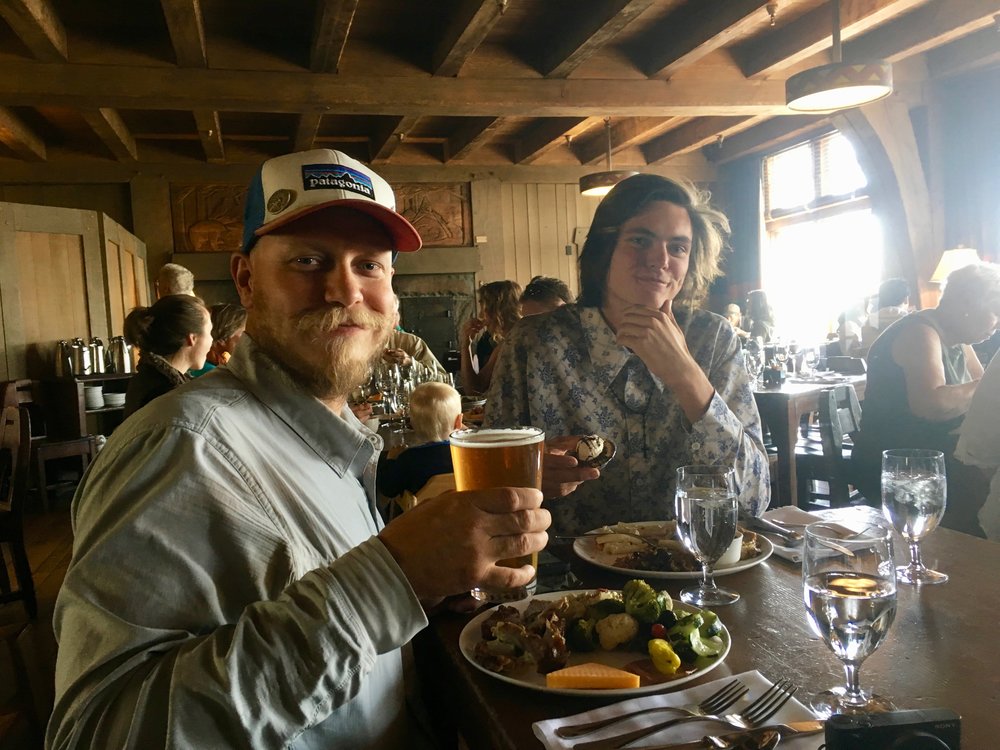
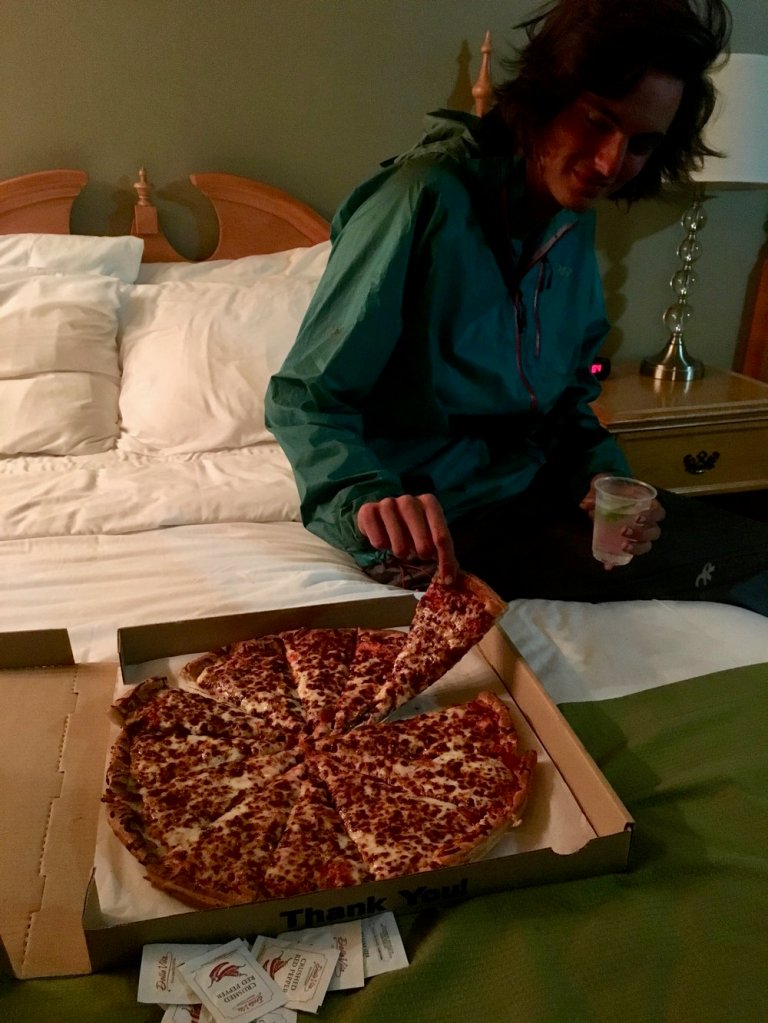
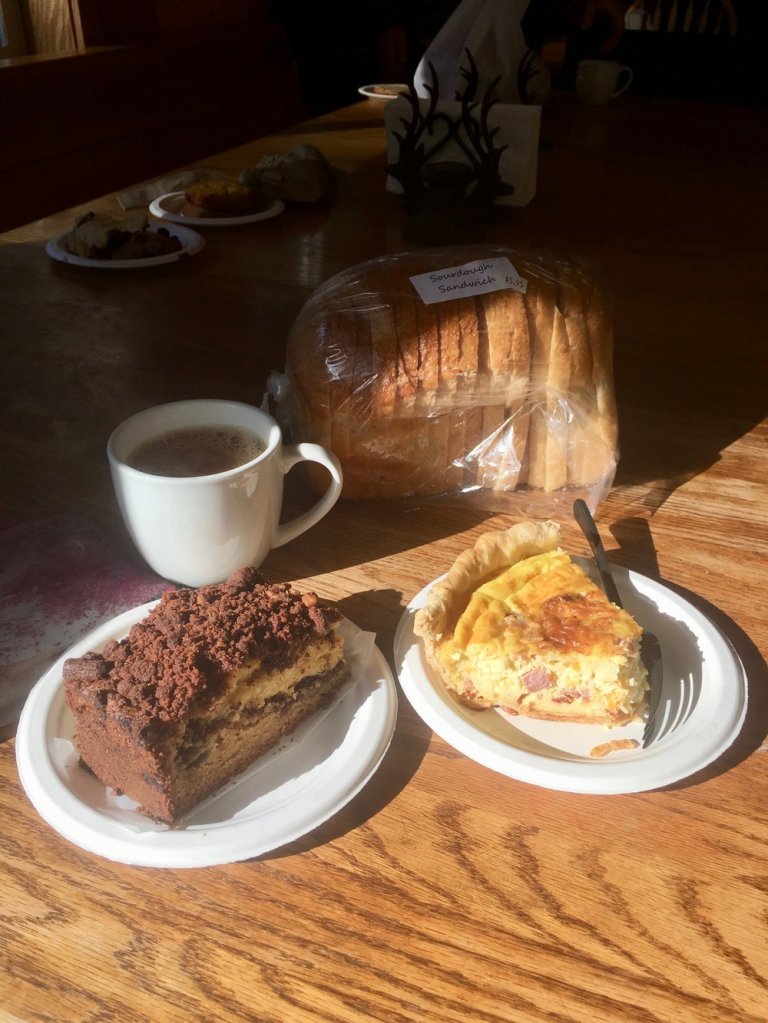
The PCT was one big food tour. When we got to town, we ate ourselves sick. When you eat pretty much the same things every day, most of it processed, you crave fresh food. And lots of it.

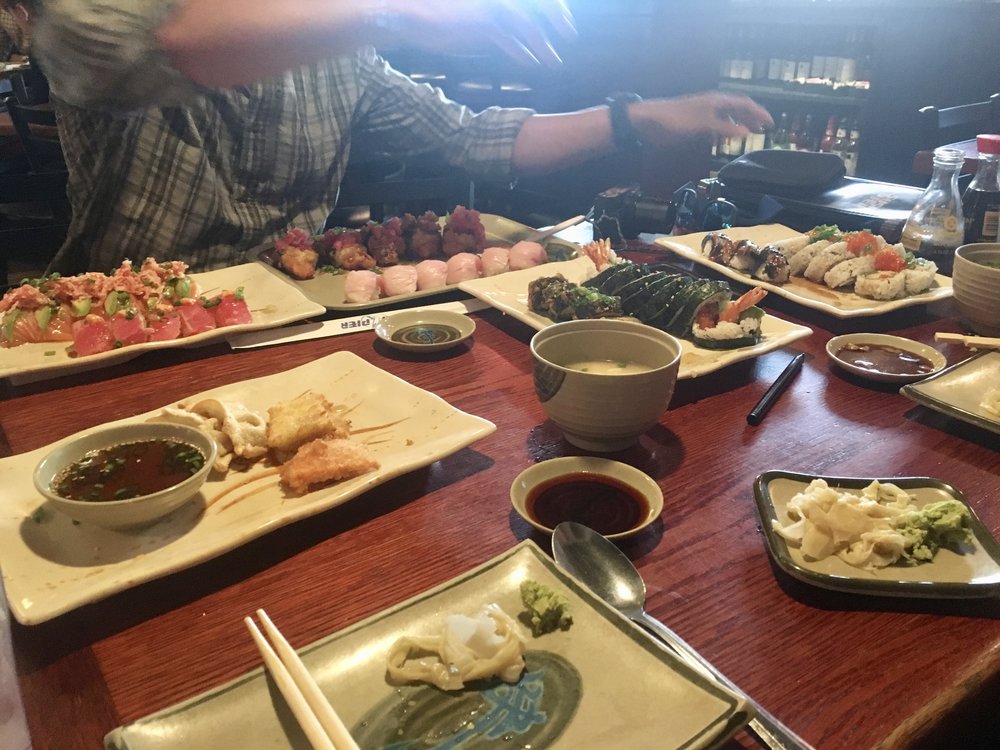
  1. Fresh fruit and vegetables: This is the single biggest craving I had on trail. Fresh produce weighs a ton because of all the water, so it’s not ideal to carry out. Also after eating so much processed carbs, it’s a relief to eat something that seems to have nutritional value.
  2. Yogurt: We would eat yogurt to add some healthy bacteria in our system.
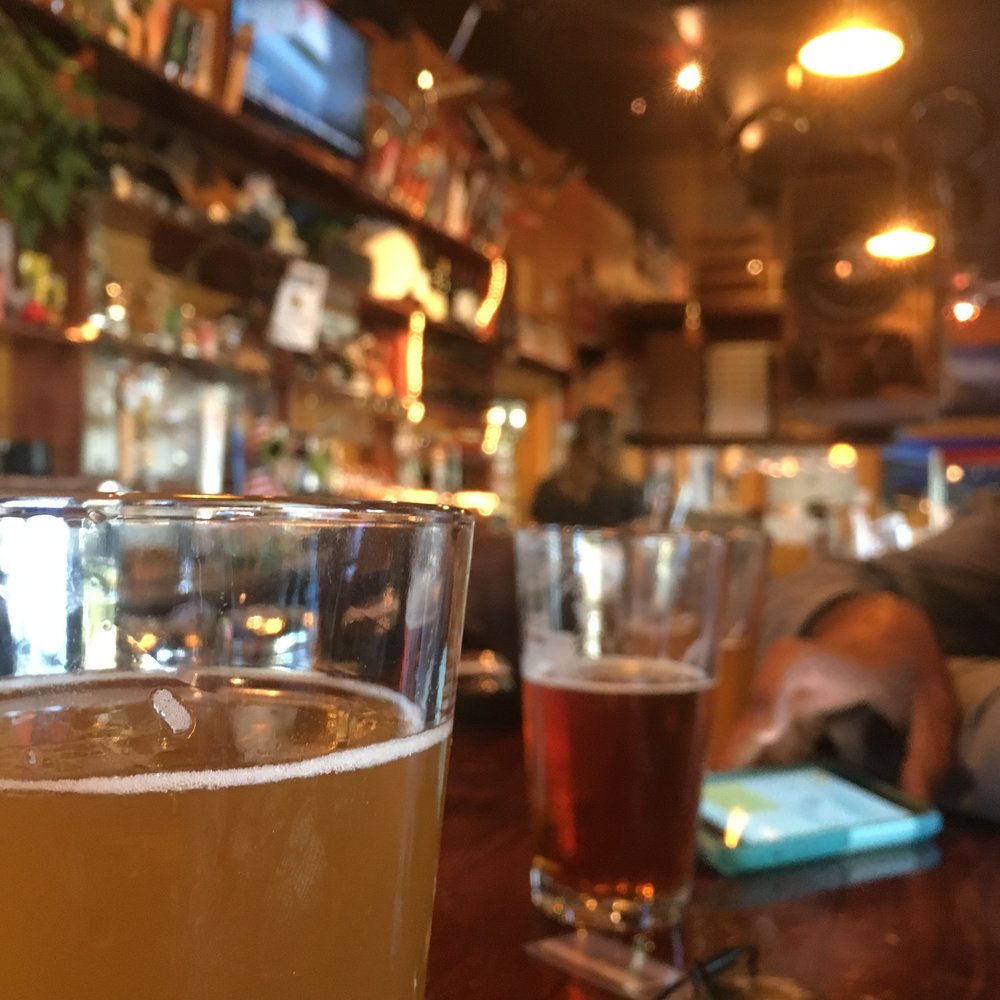
  3. Beer: Beer’s terrific. Not sure what else needs to be added here. Always a treat.
  4. Cheeseburgers: Every single town you go to will offer cheeseburgers. Make it a game. Compare and contrast different burgers you eat on trail. Tip: The general store in Sierra City, CA offers the “Gutbuster”, a 1-pound bacon cheeseburger. Not for the faint of heart.

Other PCT Food Tips

  • Olive oil is an excellent way to add both flavor and extra calories to your meals. Use a dependable container to hold the oil, like its original bottle or a small Nalgene bottle. Double bag it so that if it leaks, it doesn’t get everywhere.
  • Knorr’s sides and pasta in general do not cold soak well.
  • Chocolate melts. Prepare accordingly.
  • Snow can be used to quickly chill cheese and solidify melted chocolate bars. Watch for wildlife, though. I once lost one of the Snickers bars pictured in this snow to a raven.
  • You should shoot for a minimum of 250 calories per bar to maximize food efficiency and so that you don’t have to eat every twenty minutes.
  • Clif bars can be used as an indicator for how expensive a resupply option is (i.e. if a Clif bar is $3, you’re in for an pricy shopping trip).
  • This may be obvious, but eating dinner gives you a much-needed boost to crush some evening miles.
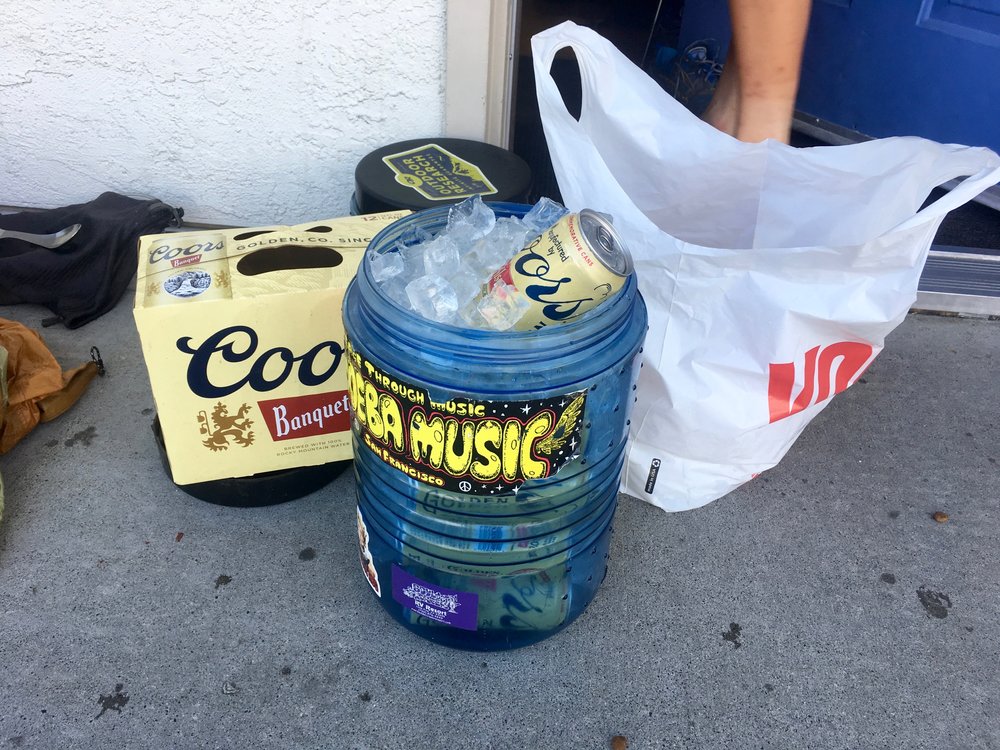
  • Put a sticker on your bear canister since everyone’s looks pretty much the same.
  • Bear canisters can also double as beer coolers.
  • Take a daily probiotic to help with good digestion.

On Forgetting an Uncomfortable Life

Here’s what the Pacific Crest Trail feels like: Heat so intense you worry about passing out. Cold so bitter you lose feeling in your hands and feet. Sitting on rocks. Sitting on the ground. Sitting on snow. Socks so caked with dirt that they have become hardened shells. Dirt so thick on your legs that you don’t have to use sunscreen. Sweat everywhere. Walking. Walking. Walking. Up and down but seemingly mostly up. Pain.

I loved it.

I miss it.

I’m forgetting it.

As I’m writing this I’ve been home for about two months after completing 1,833.3 miles of the Pacific Crest Trail. There’s not a day that goes by that I don’t think about the trail. My backpacking gear now sits in a box in my room, no longer attached to my frame each day. I’m forgetting what it’s like to have everything I need to survive in my possession at all times. The map I used to plan out my resupply strategy on trail now hangs on my wall. I’m forgetting what it feels like to agonize over whether I’ve bought enough food (or too much food) to last me the next few days. A slideshow of pictures from this past summer displays on my computer monitors at work. I’m forgetting why I ever had a bad day on that incredible trail.

I used to crave showers. These were the kind of showers you had after living in the woods for 10 days. I once told Indigo on a big climb that the single biggest motivation I had was the promise of a shower in the next town. I’d watch dark brown water wash down the drain. I liked feeling fresh. I liked the way my hair bounced back to its normal curly state, no longer weighed down by grease or hastily thrown up in a pony tail. We used to joke about how as soon as we stepped out of the shower, we smelled bad again. Any non-PCT friends we met up with on trail used to lie and say we didn’t smell that bad. But we knew the truth. The miles we had walked had left their mark on us in the form of dirt, sweat, and, of course, body odor. Now I wish I had better appreciated being dirty, downright filthy. These days, showers are routine, no longer a treat. I’m forgetting.

I’m forgetting these feelings of pain, of discomfort, of utter grossness. The stark contrast of the trail life and my current non-trail life initially shocked my senses: the sheer number of people, the constant noise, the whirr of activity after sunset. But these things eventually became normal again. My body initially remained sore and in its usual trail pain, but after a week, this too faded.

Yet even after two months, my left big toe is still numb. I consider it a badge of honor. I’m nostalgic for the pain my feet used to bring me on trail. It forced me to recognize every single day the journey we were putting our bodies, hearts, and souls through. So, I’m oddly thankful for my toe’s numbness, as a reality pinch that the PCT really did happen, that it wasn’t just a dream.

But I know eventually it too will fade, and I will forget the feeling.

For the past two months, I’ve tried everything I can think of to desperately resist this force of receding memory. I write down all my thoughts, whether tiny details about small moments or grander connections futilely trying to craft a single thesis from the adventure of a lifetime. I scour my trail family’s blogs to collect pictures and videos that I didn’t think to capture in our shared days. And I think. I think about the trail every single day. But with all these things, I am still forgetting.

That’s okay.

I know that I might forget the novelty of a shower, of the brief feeling of relief that it can bring, of the momentary pause on pain. But I resolve myself to remember the lessons that the trail taught me through a life of discomfort.

I will remember a gratitude for small treasures and a disregard for small problems.

I will remember a wonder over the vast beauty of the world and of humanity.

I will remember an appreciation for life that is impossible to learn in otherwise comfortable existence.

Photo credit:  Isko Salminen
Photo credit: Isko Salminen

Budgeting for the Pacific Crest Trail

In the summer of 2017, my friend and I hiked 1,833.3 miles of the Pacific Crest Trail. In a previous post, I crunched the numbers on the hike, including miles hiked, hitchhiking, and town details. I was going to go through my checking account transactions and do some pivot table magic to breakdown every purchase I made on trail — but that’s too big of a project I’m willing to take on right now. Additionally, this wouldn’t account for any cash or Venmo reimbursements.

Instead I’m going to take my best shot at estimatingmy pre-trail and on-trail costs. So, take this with a grain of salt.

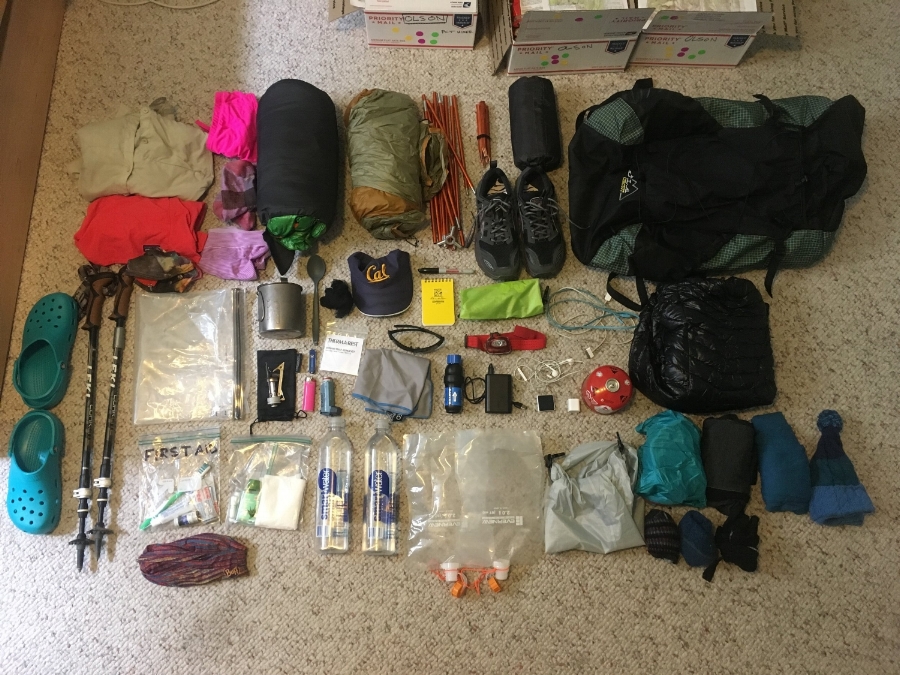
Look at all this stuff I bought so I could go live in the woods for four months. I ended up dropping the crocs, pack towel, notebook, iPod, two tent stakes, and my stove bag.

Pre-Trail Expenditures

  • Gear: $1,573.63 — This is not an estimation. I tracked my gear purchases. For context, I owned no backpacking gear before the PCT, with the exception of some clothing. For more information on my gear and tips on how to save money on these purchases, check out my full gear list.
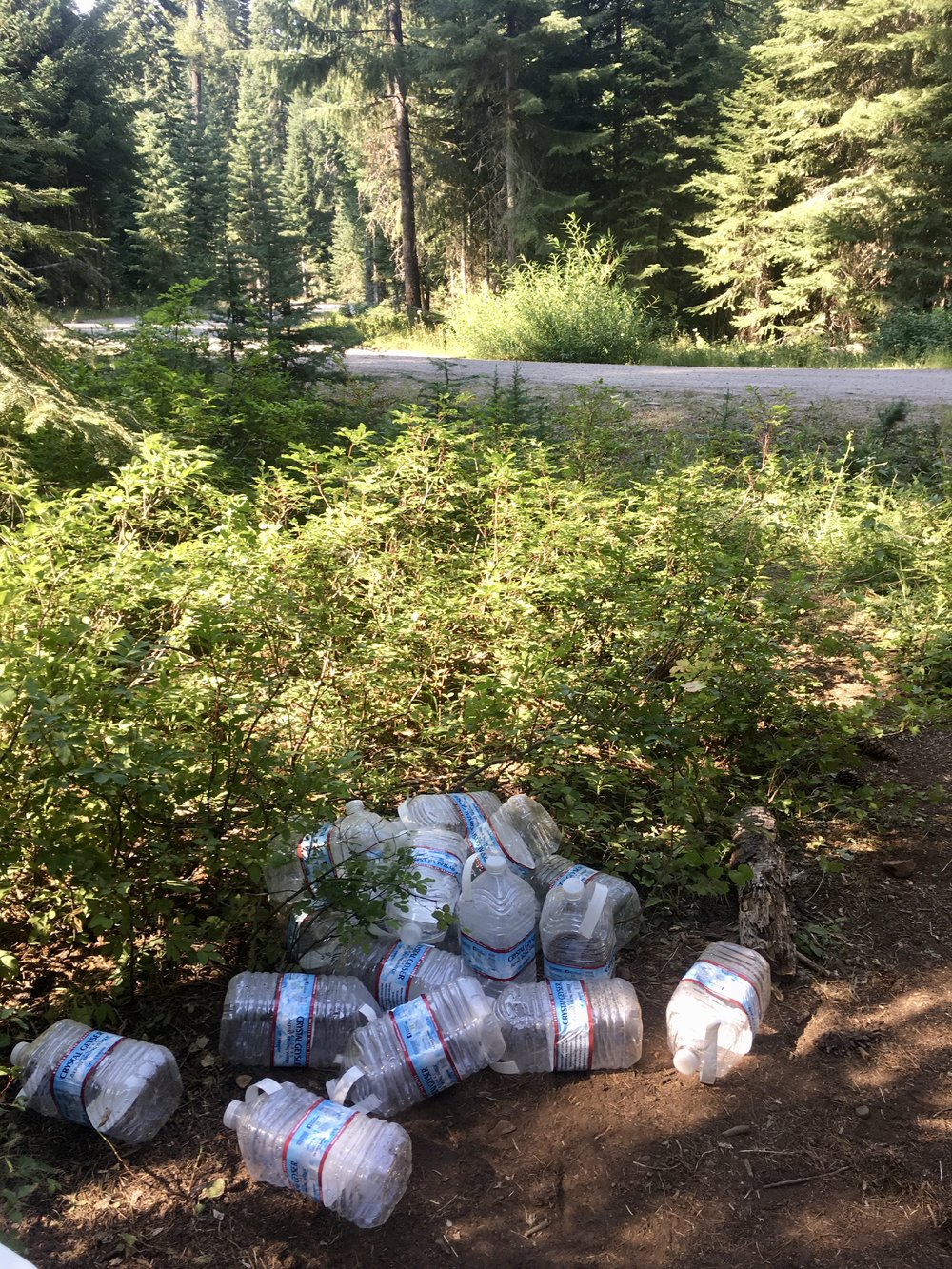
  • Postage: $233.75 (11 large flat rate boxes @ $18.75/box + 2 medium flat rate boxes @ $13.75/box) — I didn’t buy the postage before hitting the trail, but I did leave an envelope full of cash for my mom to use at the post office.
  • Food: $585 (13 boxes of food @ $45/box) — Okay, honestly this is the hardest to estimate since I bought food almost nine months ago and I didn’t track it. I made multiple trips to Safeway, Trader Joe’s, and Target to buy food I thought I might like at quantities I thought I might eat at, but I really had no idea what I was doing. Each box had between 3–6 days of food, which makes it hard to land on a good multiplier, but I chose $45 as an estimation because this is what I roughly spent on a 4-day resupply.

Pre-Trail Estimated Total: $2,292.38


IMG_1680.jpg

On-Trail Expenditures

  • Resupply: $650 (13 on-trail resupplies @ $50/resupply) — We resupplied on trail 13 times. I bumped up the estimated cost per resupply to account for the increased amount of food I ate as well as the increased cost of items on trail. Your local Safeway likely has better prices than the only general store within a 100 mile radius. Also, sometimes we would stop in a town where we had boxes, but we wanted to buy extra food to supplement. If you’re reading this and trying to decide on a resupply strategy, I highly recommend that you only mail packages to places that absolutely require them (i.e. Kennedy Meadows for your Sierra gear and Stehekin for your passport), resupply in town, and make packages on trail to send to yourself at spots with limited resupply. You might end up paying a bit more, but you will have a much better idea of the foods you like and how much you eat after a few weeks of hiking.
  • Lodging: $318 (7 hotel nights @ $30/night + 3 hostel nights @ $20/night + 3 RV park nights @ $10/night + 6 in-town campgrounds @ $3/night) — As you might expect, there is a sliding scale in price between hotels, hostels, RV parks, and campgrounds. We kept our hotel costs down by 1. not staying in many hotels because of generous friends offering us places to stay and 2. cramming as many people into a hotel room as we could. It wasn’t unusual to have five hikers sleep in a double Motel 6 room wherein only two people could walk around the room at one time.
  • Eating out: $704 (44 meals @ $16/meal) — This is also an area that varied wildly. Sometimes a meal out meant a sandwich for $8 and sometimes you wanted to eat everything in your path with a beer and dessert to rack up a bill of $30. You could easily spend less if you have more self-control, a smaller appetite, or don’t drink. I saved money because I don’t eat much dairy and therefore wasn’t tempted by regular milkshake offerings.
  • Gear replacement: $43 (one water bladder @ $13 + one fleece @ $21 + one useless zipper replacement kit @ $9) — I came out pretty good in this area. Since my gear was new when I bought it, I didn’t run into too many gear replacement needs. My water bladder broke, I got super cold in Washington, and my tent zipper deteriorated. I replaced my shoes with other pairs I bought ahead of time, so those costs are within my pre-trail gear expenditure.
  • Transportation: $400 (one plane ticket home + various bus, shuttle, and train rides) — My mom gave us a ride to the trail, so our biggest transportation expense was getting home from Manning Park, BC. In addition to hitchhiking, many towns offered shuttle and bus systems. We also stopped in Seattle and toured around there.
  • Postage: $66.45 (two large flat-rate boxes @ $18.75 + one medium flat-rate box @ $13.75 + one first class box @ $12 + a roll of tape @ $3.20) — I only sent four packages, so my on-trail postage costs were low. Pro tip: send as many packages Priority mail, so you don’t have to buy tape at the post office like a dummy.

On-Trail Estimated Total: $2,231.45


With these estimations, I calculate that I spent roughly $4,500 for my PCT adventure.

This is within other noted ranges of $2,000-$6,000. The big factors that contributed to my costs were that I had to buy all my gear, which increased my pre-trail gear costs, but I also did not hike the first 566 miles of the trail, which decreased my on-trail expenses. I also did not have any on-trail expenses like regular bills (e.g. rent, health insurance, cell phone). I lived at home with my parents up until leaving for the trail and remained on their plans while on trail. I am fortunate in this regard, so it is something to consider if you are not in the position I was before setting off for the PCT.

Crunching the Numbers from the Pacific Crest Trail

You can probably tell that I’m a pretty big fan of the outdoors from my decision to hike 1,833.3 miles of the Pacific Crest Trail last summer. But I’m an even bigger fan of numbers, statistics, and graphs. Don’t believe me? Check out this video I made highlighting daily metrics from my last semester of college. I’m a nerd, and I have no qualms about that part of my identity. I embrace it.

So, let’s jump right in.

Miles

Each day on the PCT can be categorized into three types: a zero, a near-o, and a full day. A zero is a day in which we didn’t hike any miles on the PCT. A near-o is a day in which we hiked less than 10 miles. Typically near-os were on days we were coming into or heading out of town. A full day of hiking is just what it sounds like. Here’s a breakdown of our days by type:

1_VucKJJ_7TXTsp6xXPdqLfg.png

People have also asked me about our average daily mileage. This can be tough to answer since it varied a lot depending on which section of the trail we were hiking. Unfortunately, my partner and I had to start in Tehachapi, CA and skip most of the desert due to timing issues, but we did hike in every section of the trail, which can be divided into five sections: the desert, the Sierra Nevadas, Northern California, Oregon, and Washington. Each section presented drastically different terrain which greatly influenced our daily mileage.

Here’s a graph of our mileage in the desert:

X axis = days in section // Y axis = miles per day

As we were just starting out, we didn’t push ourselves too hard right out the gate and didn’t break 20 miles in this section. In the few days we hiked in the desert, we tried to hike early in the day when it was cooler. In the early afternoon, it wasn’t uncommon to spend a couple of hours in whatever shade we could find and chill out until it cooled down. That being said, we maintained a higher daily mileage than we predicted we would be able to do starting out. Our average full day of hiking in the desert was 16.9 miles.
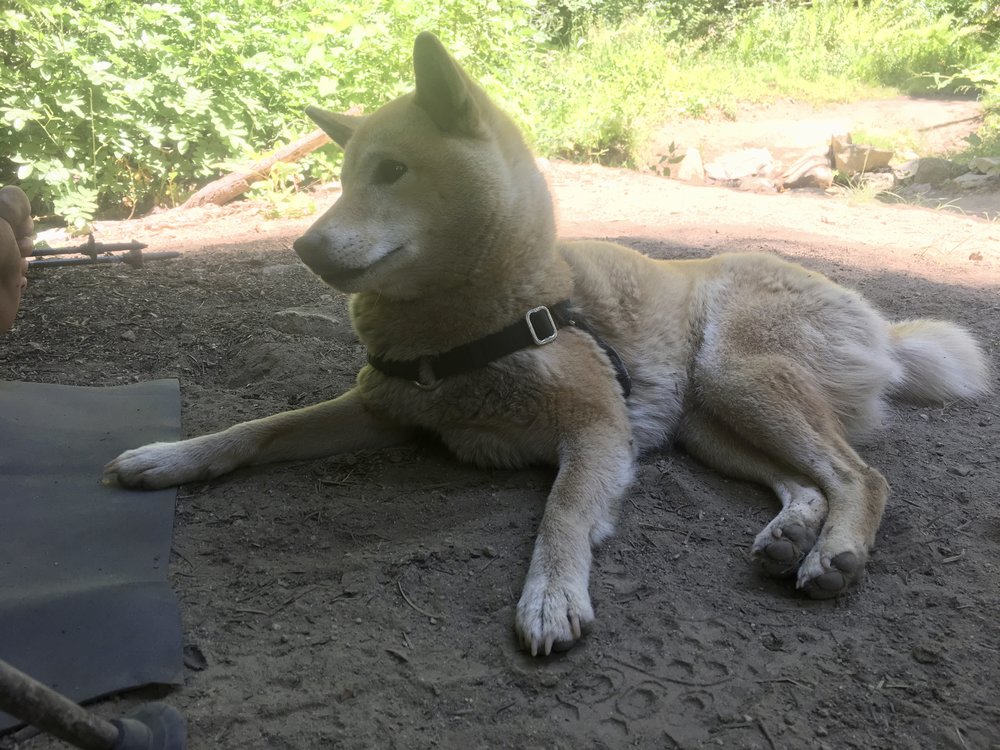
A warm welcome from the desert

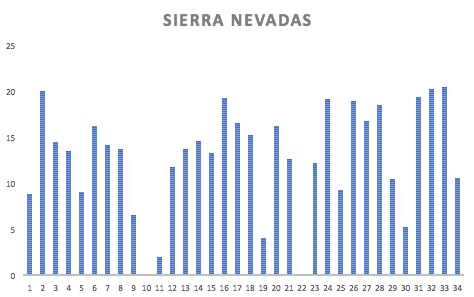
Here’s a graph of our mileage in the Sierra Nevadas:

Every once in a while we broke 20+ miles, but the snow clearly was a factor in slowing us down.

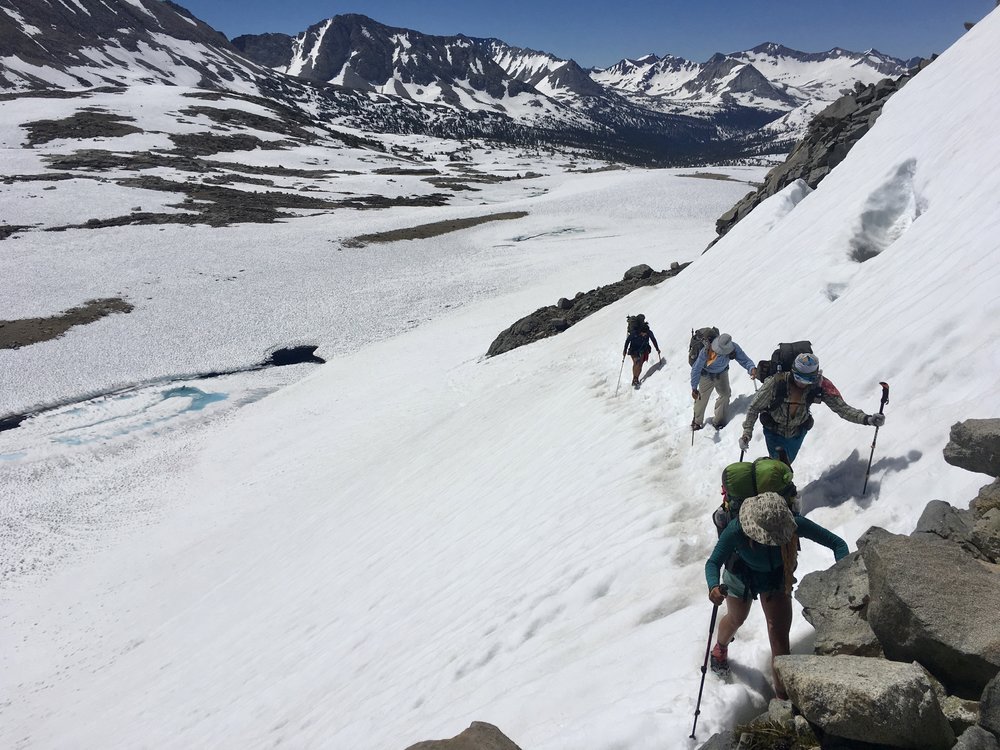
The Sierra section was a beast. Due to a record snow fall that year, the mountain passes were covered with snow and the creeks were swollen and raging. These conditions caused us to drop in daily mileage despite hiking for 12–14 hours a day. Snow slows you down. Way down. We also had to spend time going off trail to find safer spots to cross dangerous creeks, as well as literally finding the trail underneath all that snow. Our average full day of hiking in the Sierra Nevadas was 15.4 miles.

Slow and steady in the Sierra Nevadas

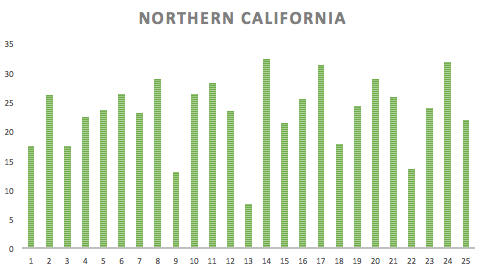
Here’s a graph of our mileage in Northern California:

Here you can see we started to bump up the miles. We didn’t take a single day off in Northern California.

Coming out of the Sierra section, we knew that we had to make up for lost time if we were going to finish before winter started in Washington. So we kicked it into high gear. My team and I fine-tuned our strategy and aimed to hit around 25 miles a day until we reached Oregon. It was hot, hilly, and brutal. But we made it — a day earlier than our schedule, in fact. Our average full day of hiking in Northern California was 24.0 miles.
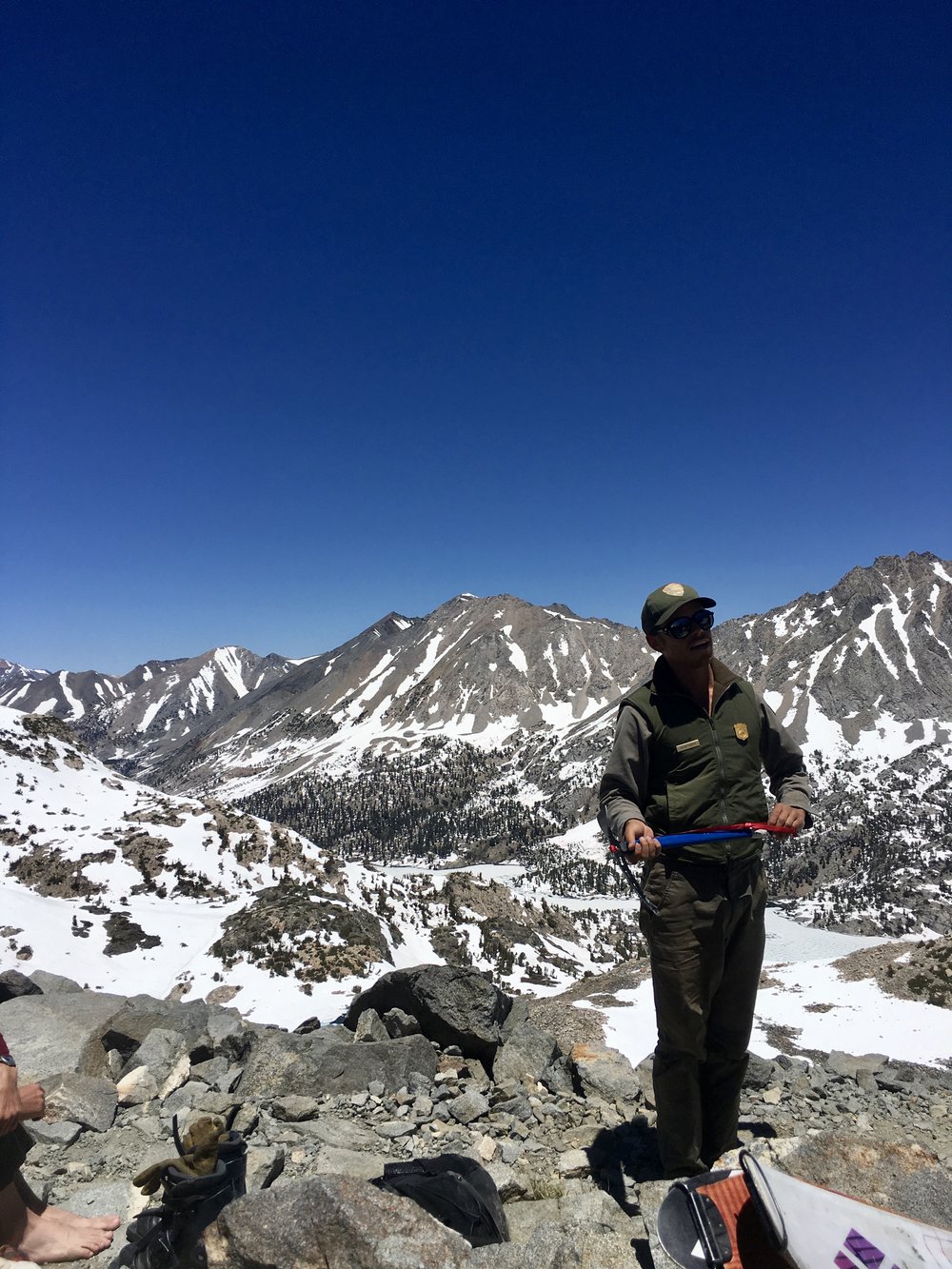
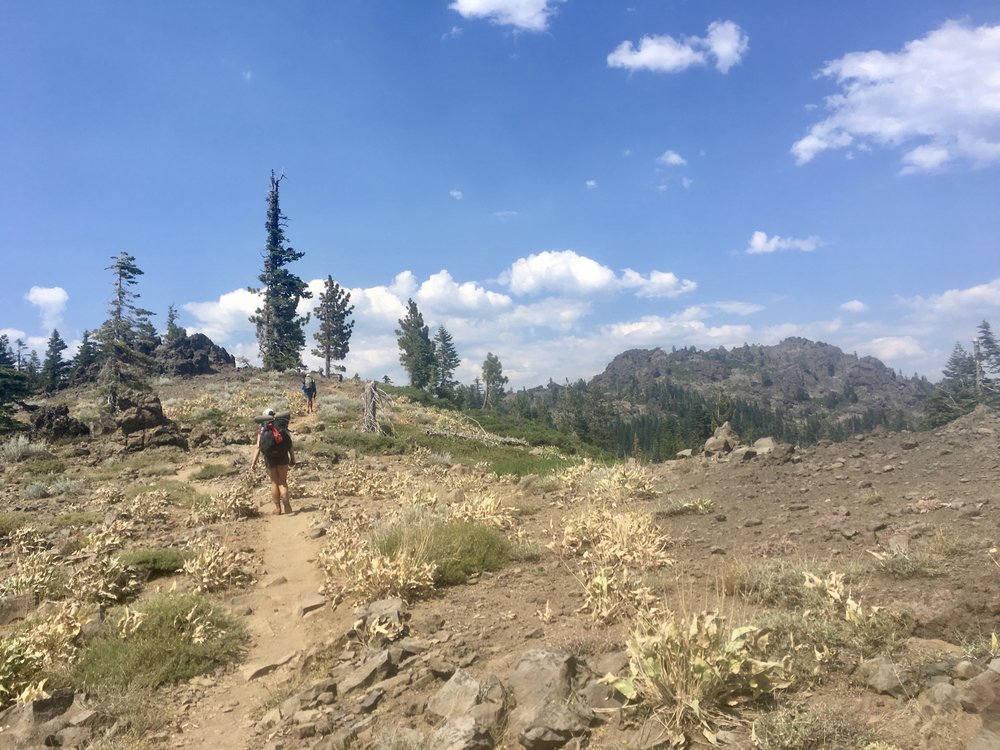
Crushing hill after hill in the baking sun was a daily occurance in Northern California.

Here’s a graph of our mileage in Oregon:

In Oregon, it was easier to break a marathon a day because of milder terrain.

Oregon is known to be somewhat of an easier section on the PCT due to the mild elevation changes. When it’s flat, you walk faster. A lot faster. This is when we started to creep up into the 30s. Unfortunately, we had to skip around 140 miles of Oregon due to wildfires, but we walked all that of the state we could. Our average full day of hiking in Oregon was 27.0 miles.

Oregon was a lot flatter (and smokier) than Northern California.

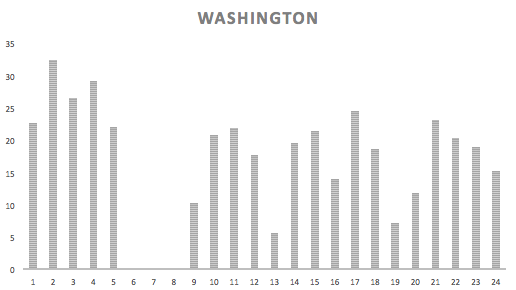
Here’s a graph of our mileage in Washington:

After crushing miles in the beginning of Washington, we had to skip another section and made the decision to purposefully slow down.

By the time we reached Washington, we were on track to finish just before October; however fires thwarted our hike again. In the middle of the state, we were forced to skip another 110 miles the PCT, putting us way ahead of schedule. With this in mind, we made the conscious decision to slow down, wake up later, and take longer breaks to enjoy the last bits of the trail. This decision, along with the hillier terrain led us to drop slightly in daily mileage n Washington. Our average full day of hiking in Washington was 21.2 miles.

The Cascades were nothing short of brilliant, and we slowed down so we could soak up the last moments of the trail.

Miles Summary

  • Total number of zeros: 12
  • Total number of near-os: 24
  • Total full days of hiking: 88
  • Average mileage of near-os: 7.0 miles
  • Average mileage of full days: 20.5 miles
  • Shortest day: 2.0 miles
  • Longest day: 32.4 miles
  • Total PCT miles logged: 1,833.3 miles
  • Total non-PCT miles logged: 111.5 miles (whenever we had to hike miles not on the PCT, due to finding safer spots to cross creeks, road walks, super far water sources, etc., I roughly estimated those miles)
  • Grand total miles logged: 1,944.8 miles

Towns

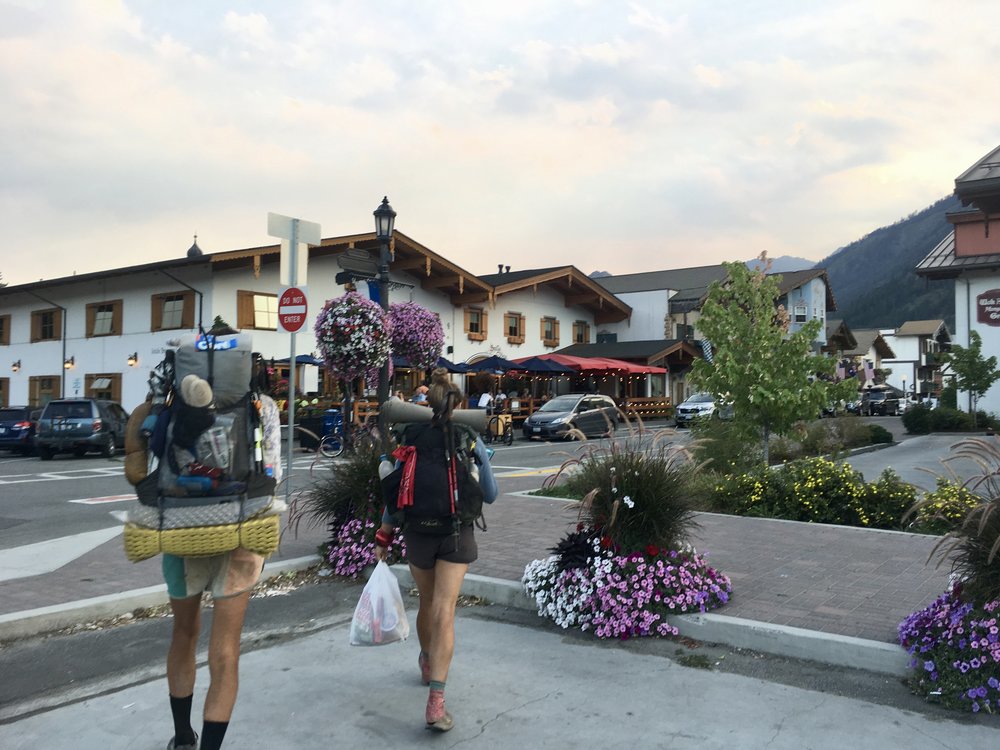
Hiker trash roaming the Bavarian-themed Leavenworth, WA.

We didn’t completely escape civilization while on the PCT. Town stops were ironically a major part of the trail experience. We went into town to shop for food, pick up packages, clean ourselves, and treat ourselves to food that didn’t need to be rehydrated.

Towns Summary

  • Total number of town stops: 20 stops
  • Nights spent at a hotel: 7 nights
  • Nights spent at a hostel: 3 nights
  • Nights spent at an RV park: 3 nights
  • Nights spent at a friend’s home: 11 nights
  • Nights spent at a campground in a town: 6 nights
  • Cycles of laundry: 15 cycles
  • Showers: 28 showers
  • Breakfasts bought in town: 16 breakfasts
  • Lunches bought in town: 15 lunches
  • Dinners bought in town: 13 dinners

Hitchhiking

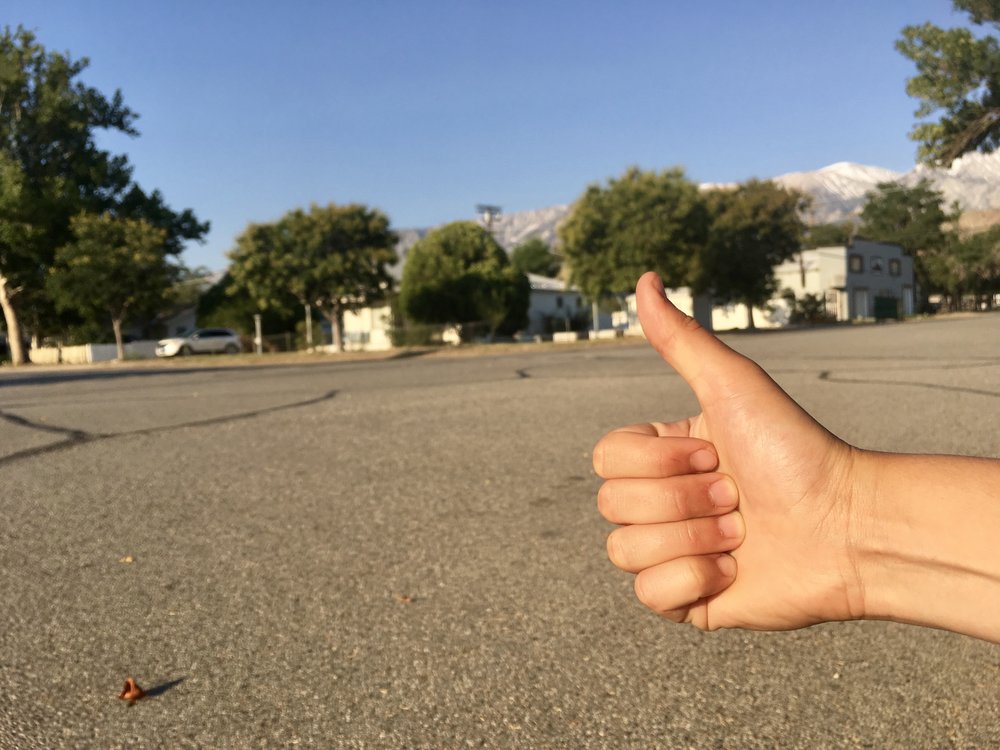
“Anyone on their way to the trailhead at 6:30am?”

While hiking clearly makes up most of the PCT experience, hitchhiking is a significant means of transportation on trail. The trail does not lead directly into a town (for the most part), so hikers have to find other ways to get to civilization in order to resupply their food. While a few hikers opt to travel solely by foot, most end up relying on strangers who pull over to the sight of an outstretched thumb. We got rides from all sorts of people including locals, international tourists, truckers, van dwellers, and even a guy in a Camaro.

I must note that my experience hitchhiking as a woman is vastly different from what my male hiker friends underwent. Women, especially younger women like myself, have no trouble at all hitching rides. Drivers openly admitted that they were more likely to pick up hikers if there was a woman in the group. Additionally noteworthy is that the vast majority of drivers offering rides were men in my experience.

Hitchhiking Summary

  • Total number of rides hitched: 21 hitches
  • Total distance hitched: 485.4 miles
  • Gender breakdown of drivers: 81% male drivers, 19% female drivers
  • Longest distance hitched: 112 miles
  • Shortest distance hitched: 1.2 miles
  • Average distance hitched: 23.1 miles
  • Longest wait for a ride: ~90 minutes
  • Shortest wait for a ride: ~2 minutes

107 Things I Learned While Hiking 1,833.3 Miles of the Pacific Crest Trail

On June 6, 2017, my friend Indigo and I began our journey on the Pacific Crest Trail, a long distance scenic trail that runs from Mexico to Canada. We started from Tehachapi, CA at mile 566 and ended our adventure in Manning Park, BC, logging over 1,800 miles of sandy, rocky, grassy, muddy, snowy trail. This year turned out to be known as the “Year of Fire and Ice” because of a record high Sierra snowpack and numerous heat waves and wildfires – it was certainly a crazy adventure.

Indigo and I walked until our feet went numb, and then we walked some more.

The PCT turned out to be more than just a trail. It was our home for 112 days. It gave me a family. It allowed me to grow stronger, more confident, and more appreciative of both the small treasures and vast wonders of life. The trail was a test for myself, an investment in myself, and a gift to myself.

Here are 107 things, big and small, I learned while hiking the Pacific Crest Trail:

1. Most people won’t answer you honestly when you ask them if you smell bad.

2. Soft cotton, showers, and filtered water should never be taken for granted.

3. A liter of water weighs 2.2 pounds.

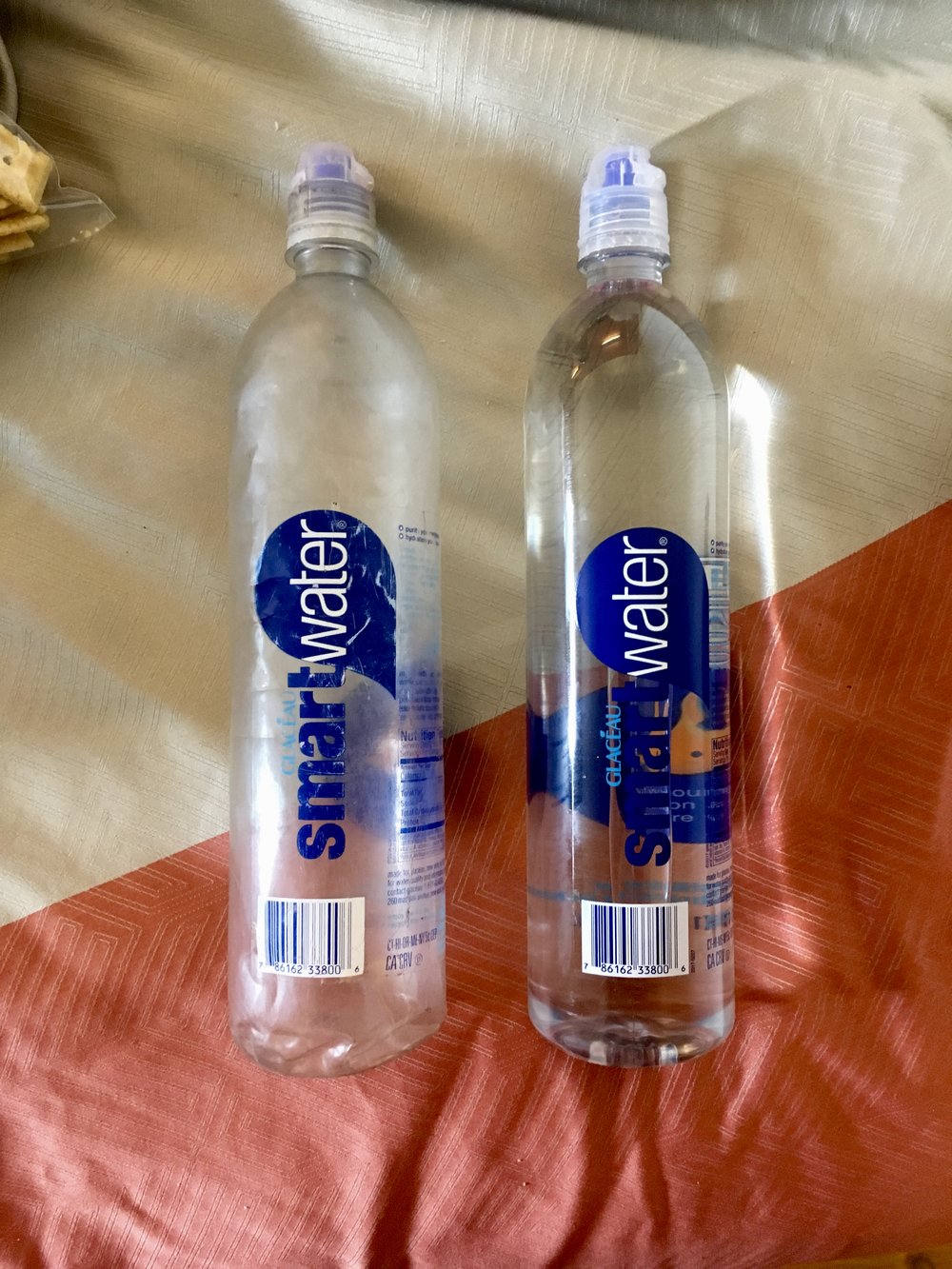
1L  Smartwater  bottles are a popular choice on the PCT because they don’t weigh much and can screw directly on a Sawyer water filter.
1L Smartwater bottles are a popular choice on the PCT because they don’t weigh much and can screw directly on a Sawyer water filter.

4. Your nostrils and lips can get sunburned.

5. Patience, like a muscle, must be exercised to get stronger.

6. Always take more pictures of people than of landscapes.

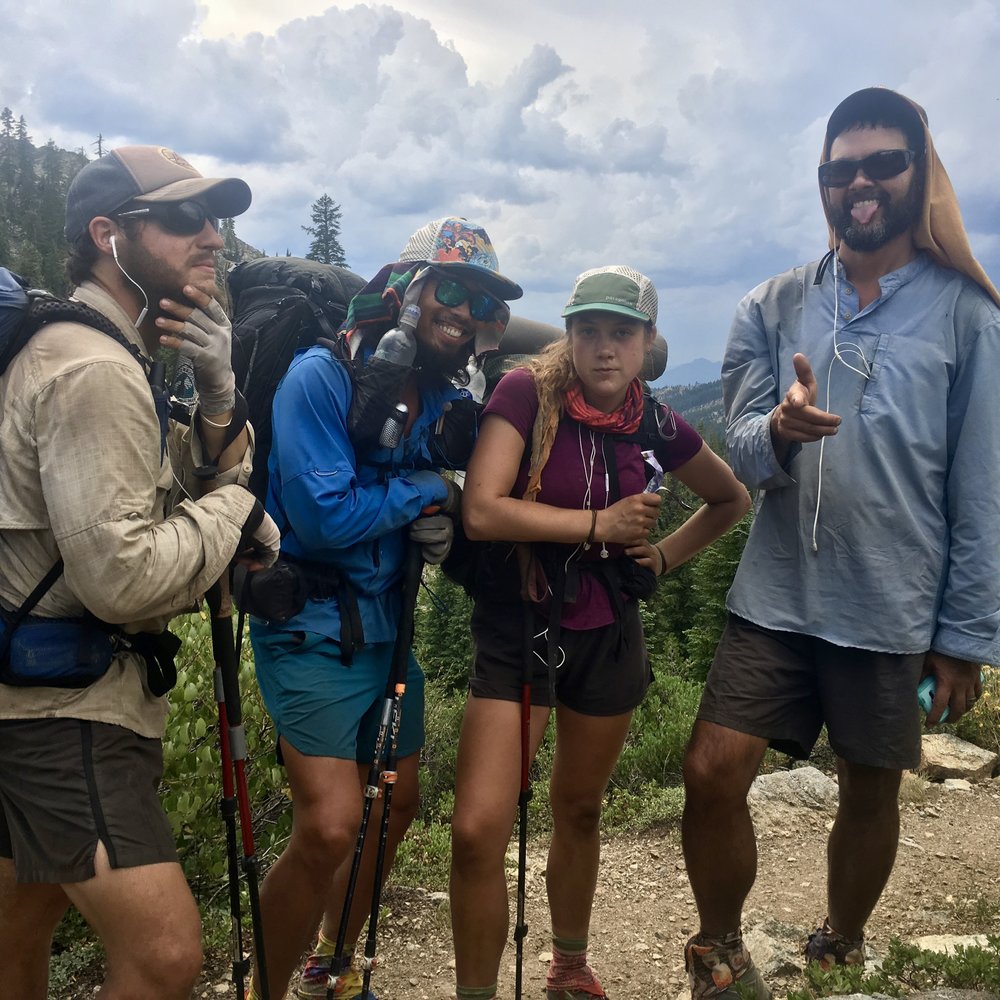
Trailname, Happy Feet, Indigo, and Blis posing like total goofs in Northern California.

7. ADAPTABILITY — Life on the Pacific Crest Trail is unpredictable at its core. When you go every day unsure of where you’ll sleep that night, you must assume a strong level of adaptability and flexibility for surprises, good and bad. I’m someone who likes to plan out things, and while I feel that characteristic helped me prepare for the trip, it was not particularly useful while hiking. So I learned to be flexible and adapt. Sometimes you find out that there’s a fire closure ahead of you and have to hitch around or do some road walking. Sometimes it’s about physically and mentally adapting to walking over a marathon every single day and learning to walk through the pain. And other times it’s watching everyone come together to help your friend do a video job interview at a small town cafe. It’s not about being ready for everything, it’s about being ready for anything.

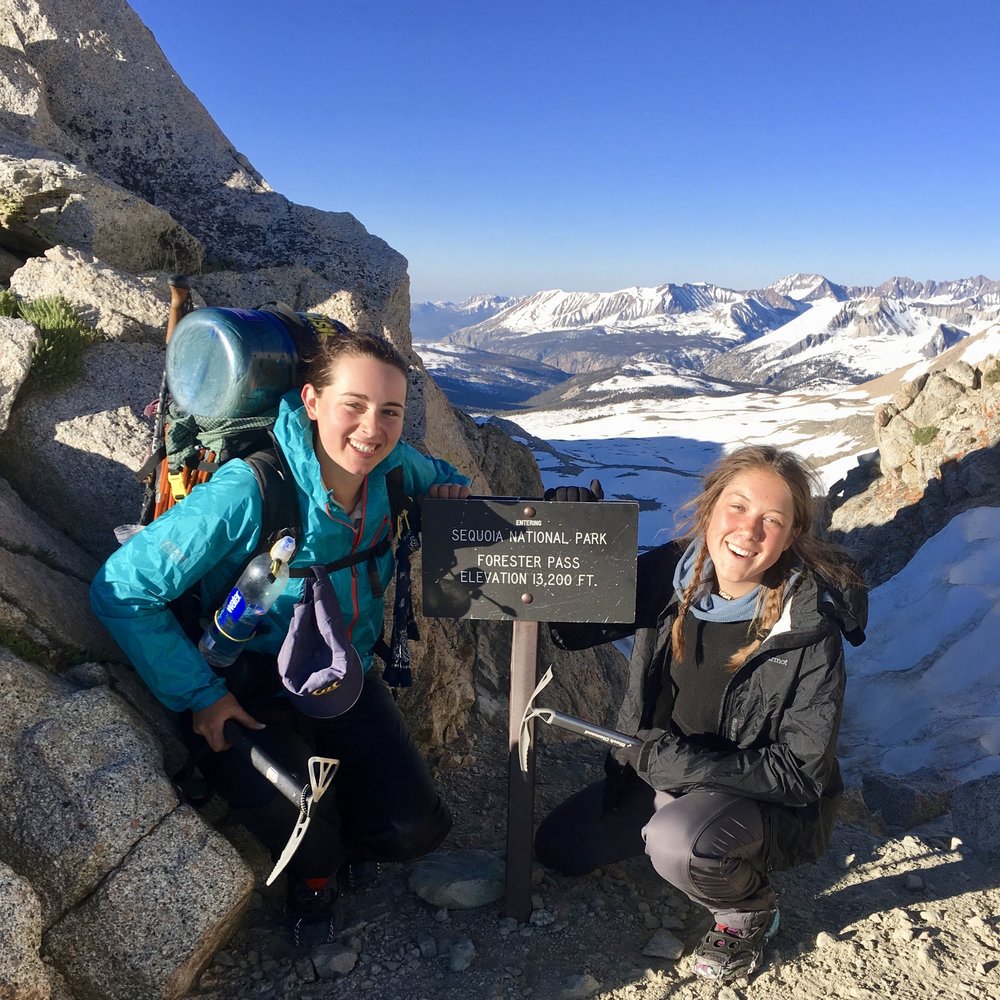
8. Women are more likely than men to break their tailbones. I learned this after flying down a bumpy, icy hill near Forester Pass followed by intensive WebMD research.

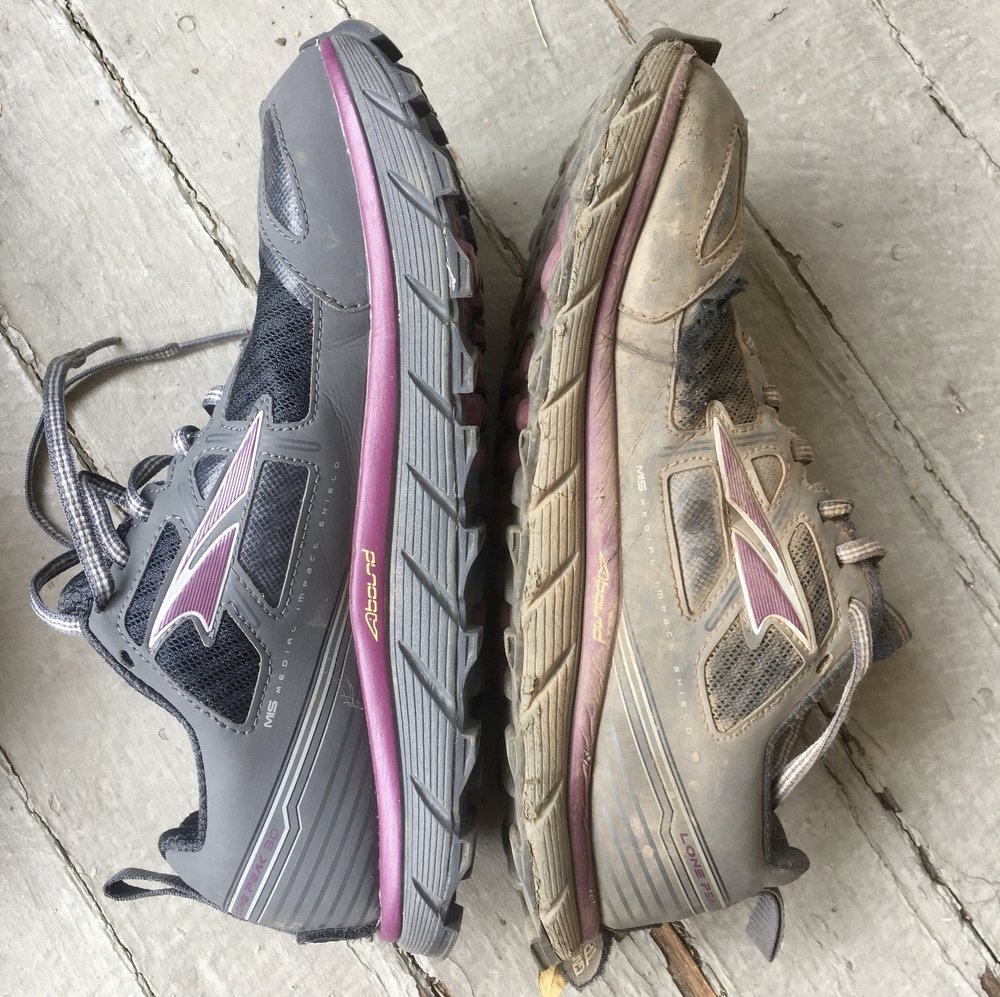
9. Your shoes will deteriorate to the point you literally start dreaming for new shoes to aid your aching feet.

Replacing my  shoes  in Ashland, OR after over 700 miles of use through Northern California.
Replacing my shoes in Ashland, OR after over 700 miles of use through Northern California.

10. By waving your trekking pole in front of your face, you can create a temporary force field so that little gnats won’t fly into your nose and eyes.

11. Deet can melt the plastic off your watch.

12. Always err on the side of carrying too much food and water.

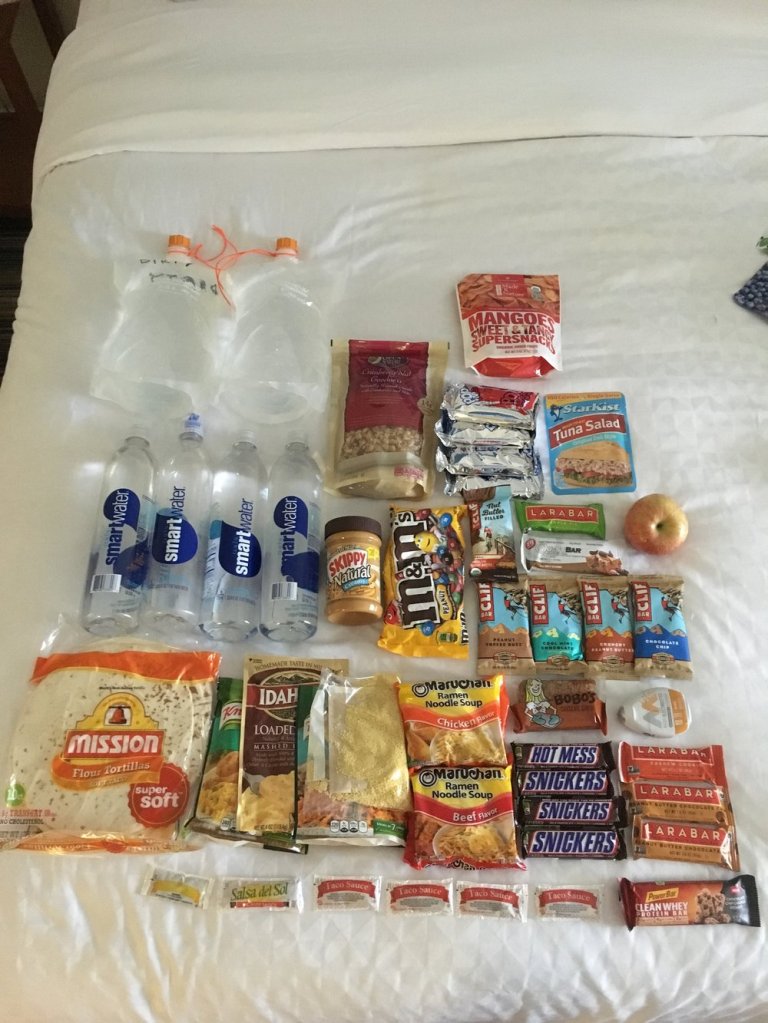
Four day food resupply that ended up not being enough to fuel me.

13. Baby wipes are worth their weight in gold.

14. Electrolytes are very important.

15. If you ever have the chance to summit Mt. Whitney, do it. And do it at 2:00am so you get to the peak in time for the sunrise. Trust me.

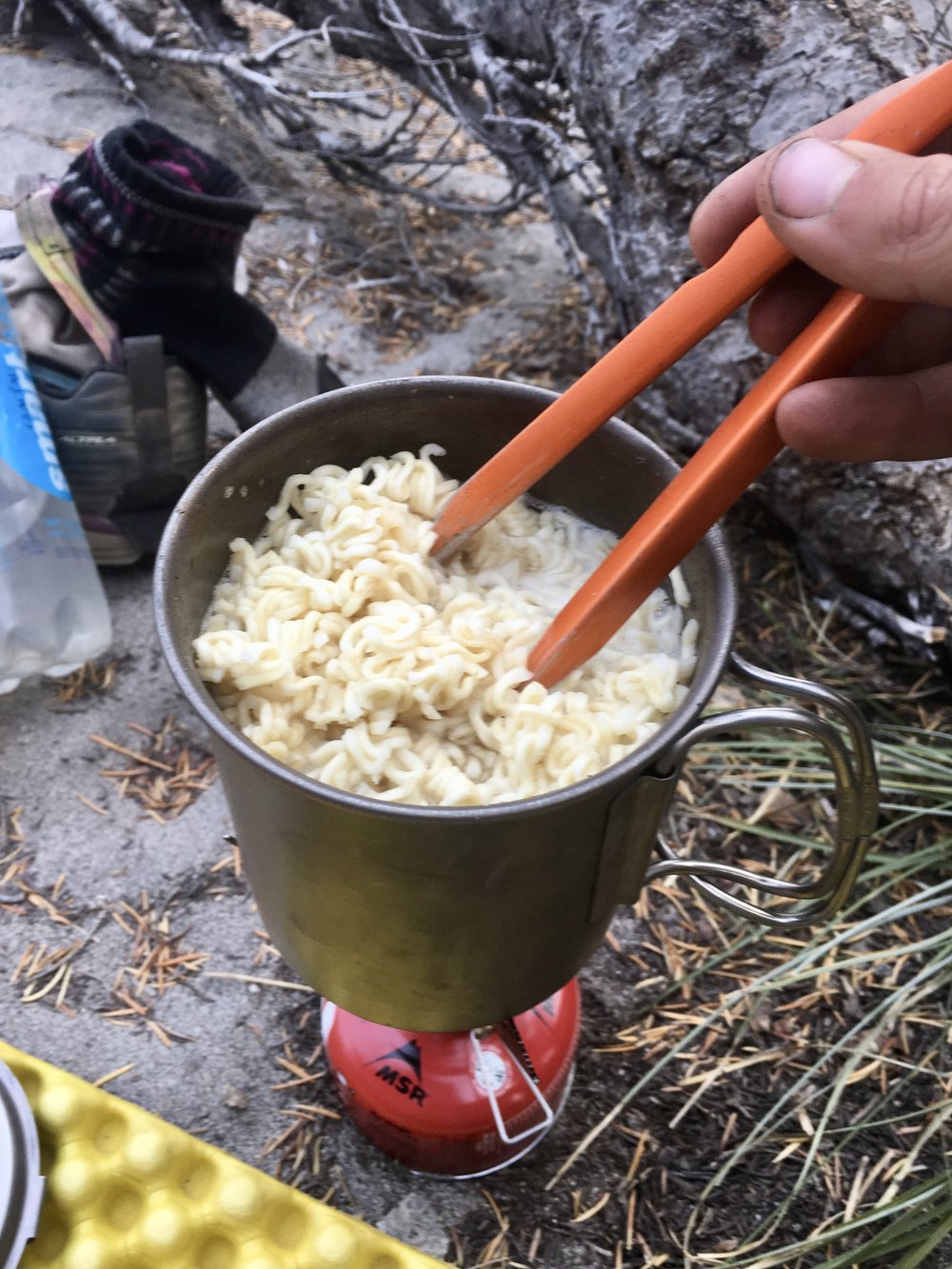
16. There’s no point in buying a $12 titanium spoon. The long plastic one will do just fine. Also if you lose your spoon, tent stakes can double as a pair of chopsticks.

My tent stakes came in handy on double ramen night during my solo hike in Washington.

17. Cherish every letter, phone call, or message you get from a friend or family member. Remember who is rooting you on when you want to cry because everything hurts and Canada seems so far away.

18. The SaveMart in Tahoe City is surprisingly expensive.

19. Unexpected joy can come from sitting in the parking lot of a Motel 6 eating an entire bag of salad with a spoon.

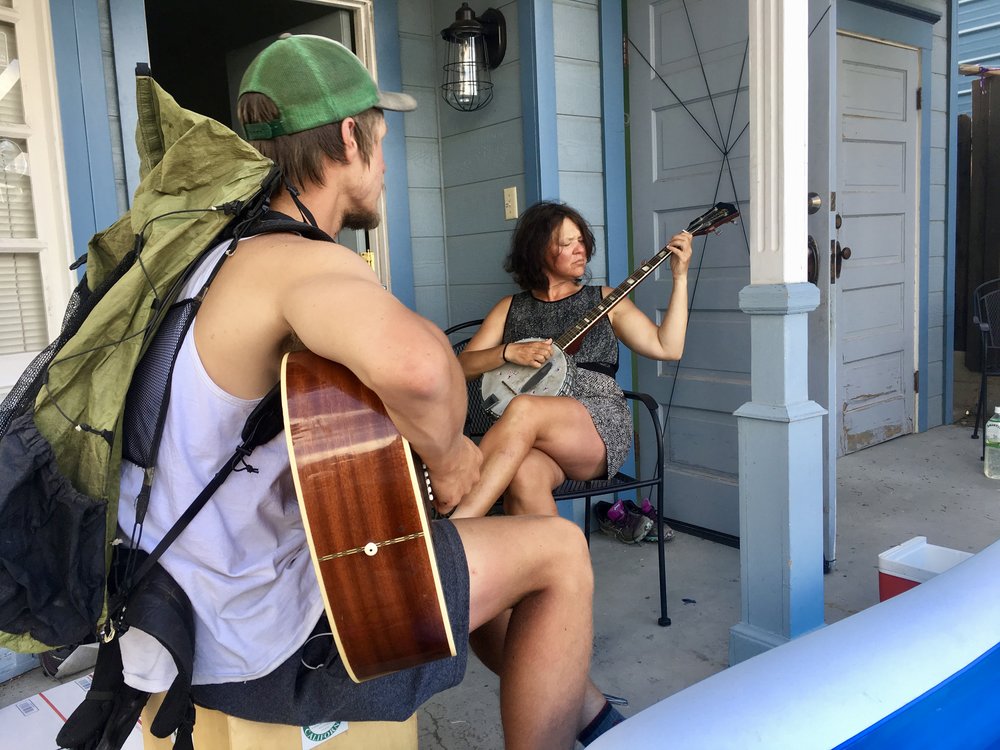
20. If you play guitar, make sure you know a few songs that everyone can sing along to.

Wilder and Airplane Mode jamming at the Bishop Hostel

21. If you tell a little girl that you eat two candy bars a day, her reaction will be priceless. I had this exchange with the daughter of a woman who gave us a ride into Lake Isabella. She was also relieved to finally sit with some hikers who knew the lyrics to her favorite Taylor Swift songs as they blasted on the radio.

22. Towns smell like soap and bacon.

23. A human being can survive solely on instant mashed potatoes and candy.

24. Campho Phenique is the most effective antidote to mosquito bites.

25. Dance a lot. Make it goofy. Use your poles as much as possible.

26. If your gear breaks (like your spikes just as you enter the Sierras), call the company, be courteous, and they might send you a free replacement.

27. If you are offered trail magic, accept it, say thank you, and let the person know they are a trail angel.

28. DISCIPLINE — It’s hard to not hit snooze when your alarm goes off at 5:00am each day. It’s hard to keep walking after your feet have gone numb. This trail can be lovely and wonderful, but it can be really hard at times. There’s a saying on trail, “Smiles not miles,” but honestly sometimes the reality is “Miles not smiles” when you’re trying to make it to Canada before October. Discipline to put in the work each day was fundamental to our success in reaching the border.

29. Riding in the back of a pickup truck is one of the most liberating feelings in the world, especially after you’ve already hiked over 30 miles that day.

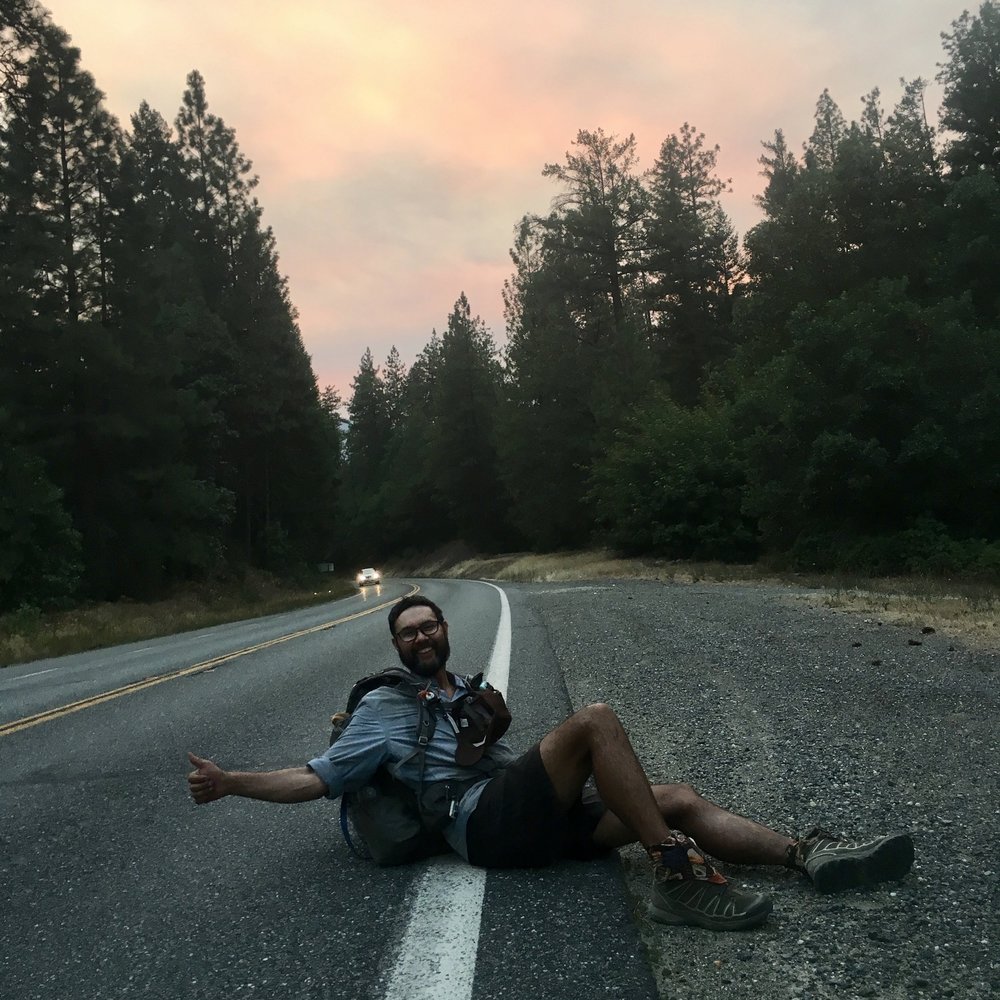
30. Women have a much easier time hitching rides than men.

Blis trying to hitch a ride into Seiad Valley, CA

31. Caffeine is an incredible tool.

32. “That skinny, white guy with a beard” is not an effective description when trying to find your friend on the PCT.

33. Look at the log, not the rapids, when balancing across a raging creek.

34. There’s no point in washing your cooking pot on trail. It will always be dirty, and you will learn to enjoy the flavor profile of last night’s dinner in your coffee as gross as that sounds.

35. Day hikers smell like laundry.

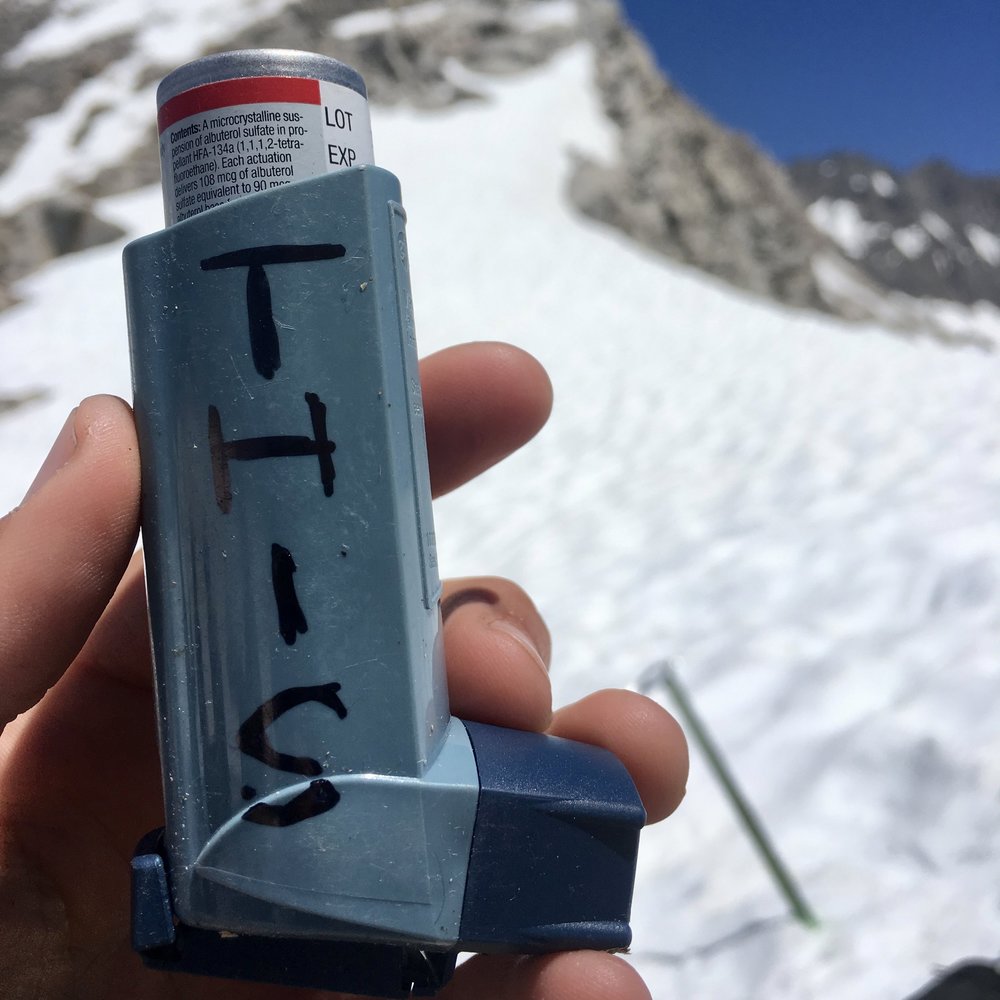
36. If you have asthma, listen to your mom and your doctor and carry the extra 1.5 ounces so you are equipped with a backup inhaler. As long as you’ve got your inhaler, you’ve got this.

One of the two trusty inhalers I carried with me on the trail. I had to replace one when I dropped it (and myself) in a creek.

37. Gorilla tape is stronger than duct tape.

38. Some hikers like to think of the lightheadedness you get after blowing up your sleeping pad as a “free high.”

39. If you have committed a crime within the past seven years, Canada will not allow you to enter via the Pacific Crest Trail. DUIs are the most common crime based on a nonscientific study run by me.

40. Eat Snickers before 9:00am for an unmelted chocolate experience.

Time-stamped Snickers break near Walker Pass in Southern California

41. You can buy raw dough from pizzerias.

42. While difficult, it is possible to sleep next to a highway while 18-wheelers roar by all night.

43. People like to shoot signs in Oregon more so than they do in Washington.

44. Feet swell up when you stop walking.

45. HUMANITY — One of the biggest takeaways from hiking the Pacific Crest Trail was the fundamental goodness of humanity. People from all walks of life wanted to help us along our journey to Canada. I lost track of how many times complete strangers offered me rides, food, beer, water, prayers, hugs, and kind words. Trail magic was truly one of the most memorable parts of this trip. As refreshing as it was to drink a can of soda on trail, what I really appreciated was the energy and morale boost from receiving unconditional kindness from someone who just wanted to help. Paying it forward is more common than you think, and it shines a spotlight on the beauty of humanity.

46. Hot weather makes you lose your appetite.

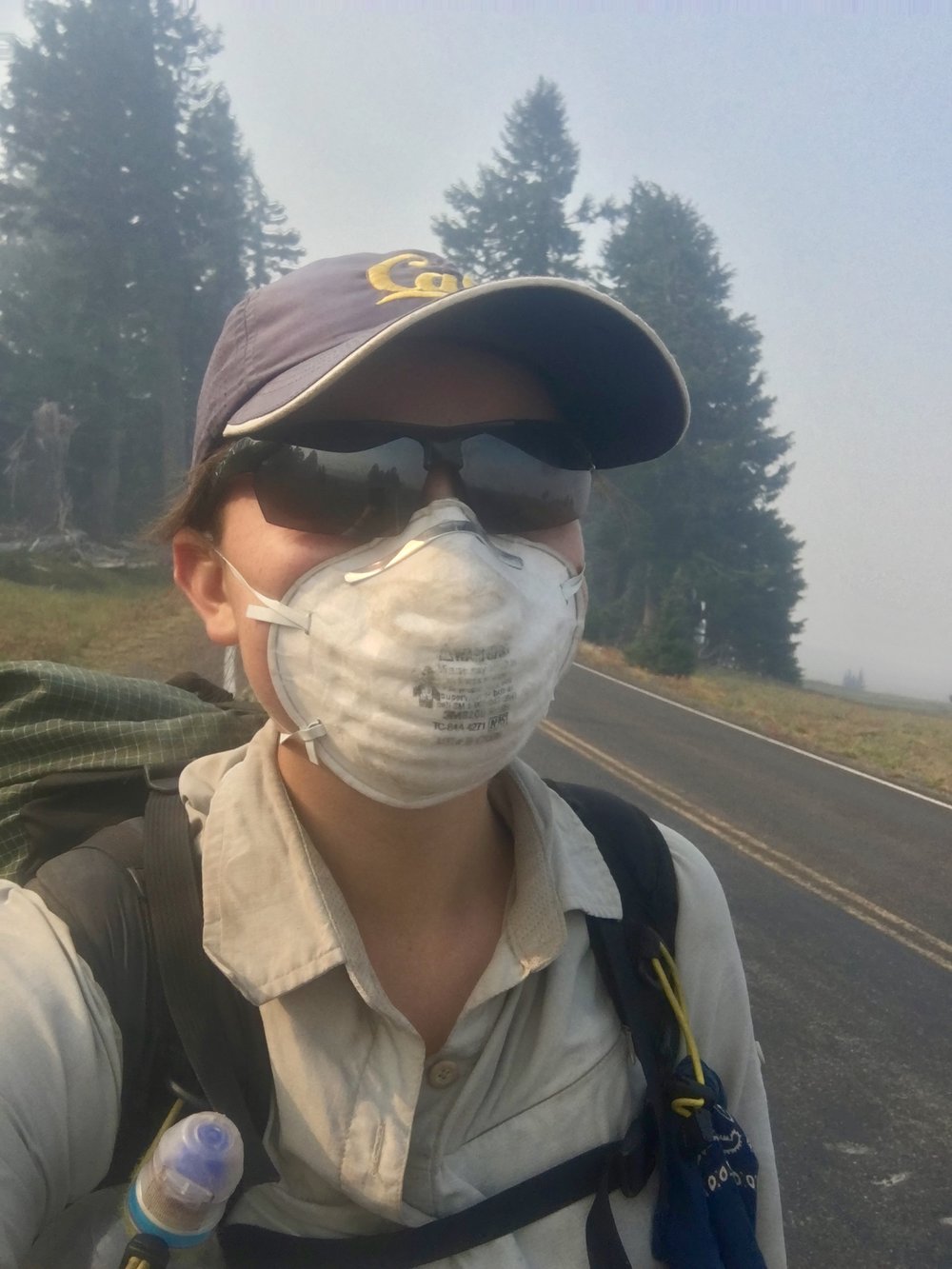
47. Hiking through smoke for days gives you a sore throat, turns your eyes red, and makes your tent smell like a campfire.

Road walking around Crater Lake with a smoke mask. We didn’t get to see the lake that day because the bowl was completely filled with smoke from nearby wildfires.

48. Afternoon brandy is just like regular brandy except you drink it in the afternoon.

49. If your body needs more calories but you can’t stand the taste of peanut butter any longer, you can swallow a spoonful with water like a pill.

50. If a stranger finds you crouched in the candy aisle calculating on your phone to make sure you have enough calories for the next section, they will offer to buy you a six pack.

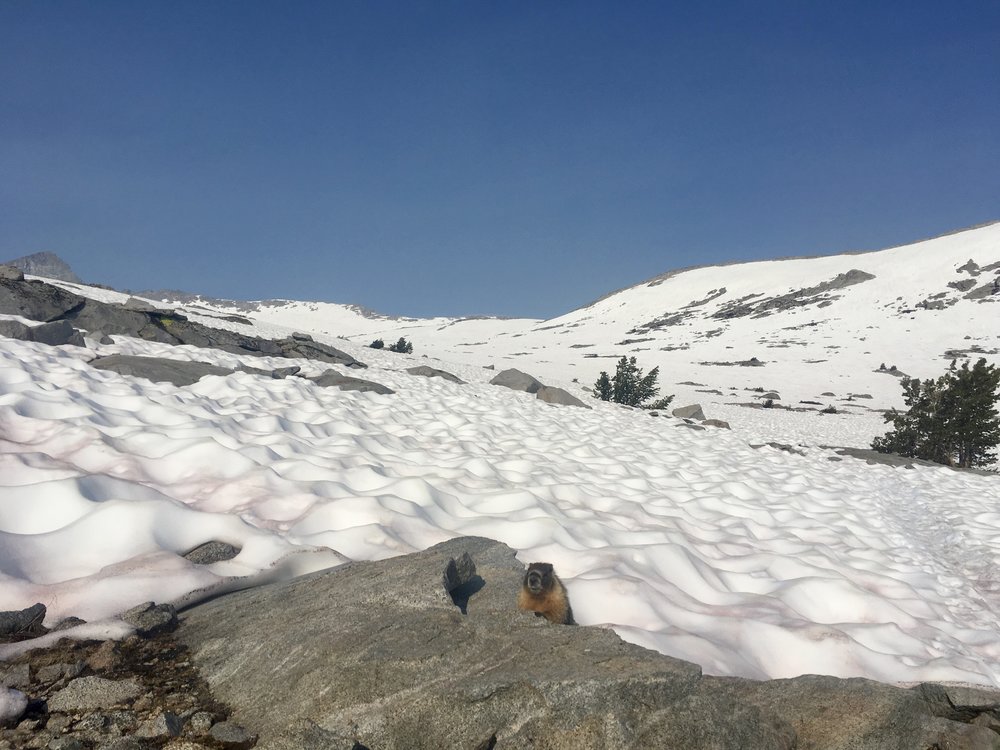
51. Marmots exist, and they are wonderful.

A marmot at the approach of Donohue Pass. I literally didn’t know about the existence of marmots until this hike, and they quickly became my favorite wild, furry friends.

52. You should keep putting on sunscreen at least once a day even if your hiking buds tease you.

53. People can talk about their gear forever. Seriously. It never stops.

54. Even if you have zero mountaineering and river fording experience, you can cross the Sierras in the second highest ever recorded snow pack.

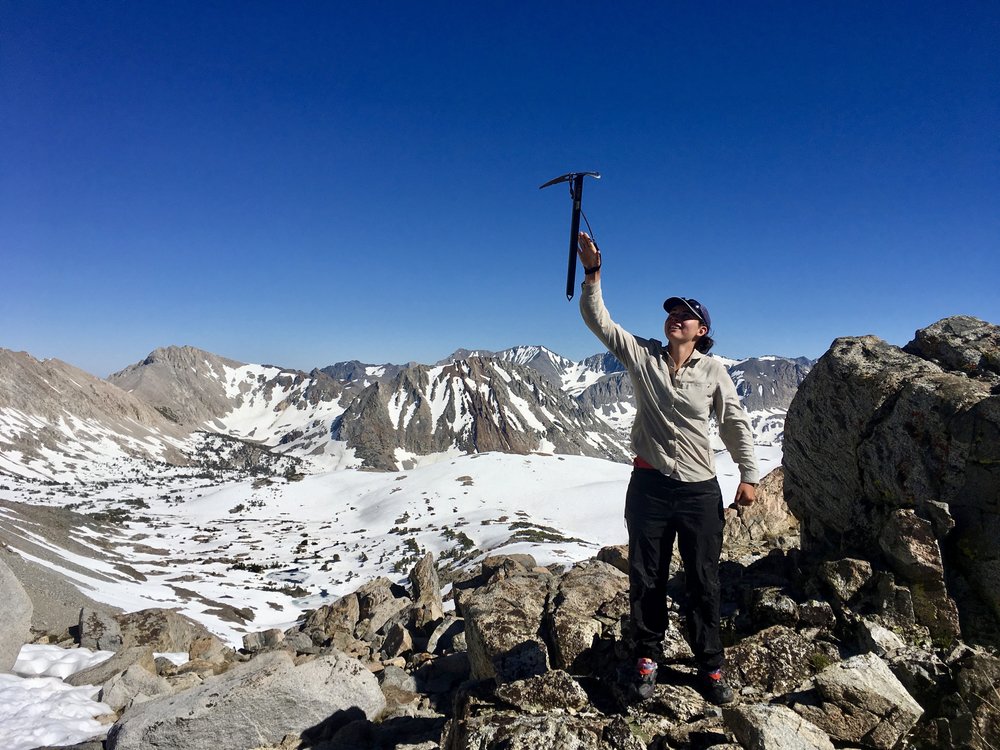
Me and  my trusty ice axe  at the top of Pinchot Pass celebrating another successful climb.
Me and my trusty ice axe at the top of Pinchot Pass celebrating another successful climb.

55. Apple Maps is currently mapping forest service roads. The irony is there is usually no cell service to use Apple Maps to navigate forest service roads. Also the drivers of the mapping vans don’t give rides to road-walking hikers.

56. Insects like some people more than others. I am the Snow White of insects.

57. When estimating one’s pack weight, some choose to not include the weight of beer.

58. People will lie and tell you Northern California is flat. Don’t believe them.

59. Steep ridge walks present an interesting challenge to female hikers who would like to pee but would rather not fall off a cliff in the process.

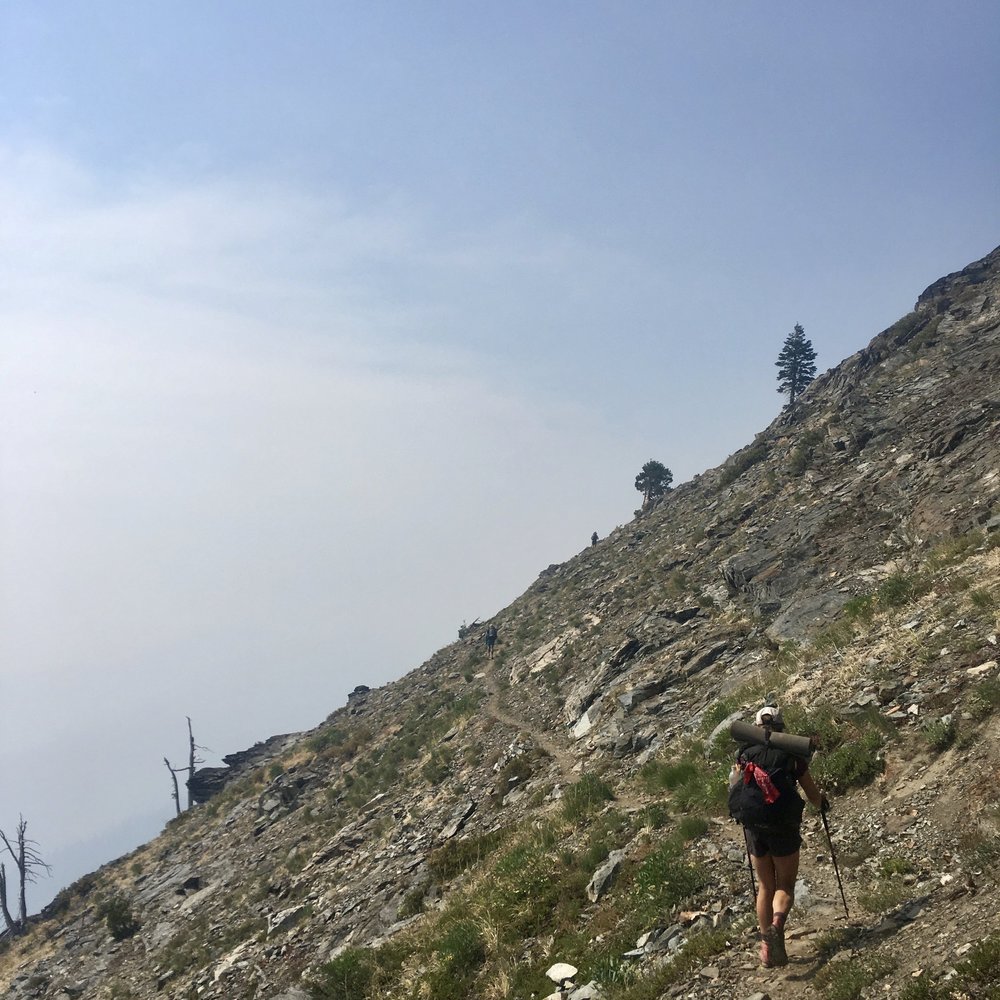
Indigo hiking a particularly steep ridge walk in Northern California. The intense smoke is coming from a wildfire in the valley below. We heard that they closed the trail the next day.

60. When backflushing your Sawyer water filter, tap it firmly on the edge of the sink. Learn to do this before Washington or else you will be disgusted with the quantity of black gunk coming out of your filter.

61. LAUGHTER — No amount of pain meds can make it as easy to get through the toughest of times as laughter. When it seems that just about everything has gone wrong, your best move is to laugh. Fortunately, I got to share these moments with the silliest, funniest people I know. When Indigo and I shared a tent in North Yosemite, we would make each other laugh at 4:00am. To get through the pain that comes with increased mileage in Northern California, we’d crack jokes about how our bodies might completely shutdown in protest if we told them we had 30 miles to do the next day. We made it through a snow storm in Washington by laughing over how deliriously cold we were, struggling to flick a lighter on because we couldn’t feel our hands. Laughter is absolutely essential to make it on the PCT.

62. Mice will eat your hat. Your favorite hat. Bastards.

63. On the official Dreamgirls soundtrack, there is a dance remix of “And I’m Telling You I’m Not Going,” and it’s just as ridiculous as you think it is.

64. If given the opportunity, your body can surprise you with how much it can do.

65. Never rely on water caches.

Despite what we heard from others, this water cache in Oregon turned up empty. For the next ten miles of exposed lava fields, I had only a 0.5 liter of water and learned a very valuable lesson that day.

66. To some, trail mix is simply various sour candies mixed in a bag.

67. Hanging your food to keep it safe from bears always takes longer than you anticipate.

68. TEAMWORK — While hiking in a group is not necessary, we felt that it was critical to our safety and success through the Sierras. Indigo and I lucked out with our team and first trail family, Blis, Airplane Mode, and Happy Feet. Together, we strategized our mileages, worked together to cross rivers and make it over mountain passes, and stuck with each other, never leaving someone behind. We communicated clearly with each other and made decisions as a group. We made each other laugh, jumped into action if someone got hurt, and learned how to work as a team. I felt safe with my trail family which in turn helped me grow to be a more confident hiker and believe in myself when presented with tough challenges.

69. Seeing a dog provides you with a boost of energy.

Kora, Steel’s doggy hiking partner, enjoying a shady lunch break in Northern California.

70. If you’re lucky, you’ll only use your first aid alcohol wipes when fixing your gear.

71. The 2:00am Greyhound bus ride from Manning Park to Vancouver is laughably terrible.

72. Deer react to humans like humans react to rattlesnakes — slowly walking around the other with a wide radius while holding a look of terror and shock in their eyes.

73. Glissading is the act of sliding on your butt down a snowy mountain face to descend in a faster and more exciting fashion.

74. When you can’t afford to lose a single feather of down from your jacket, duct tape can patch up a hole.

75. Plastic food service gloves can provide a much needed waterproof layer to your gloves.

76. The “I” formation is a group technique used to cross high, fast moving rivers safely.

77. There’s no place on Earth where you are safe from being scolded for not watching Game of Thrones, including the Pacific Crest Trail.

78. Eventually you’ll get to the point at which it’s easier to sleep in your sweaty, dirty hiking clothes than it is to put on sweaty, dirty hiking clothes in the morning.

79. Ranger gossip is a popular topic of conversation. (Shoutout to Rangers Victor, Dario, and Marcel)

Ranger Victor giving us an impromptu lesson on how to self-arrest using an ice axe.

80. The scars you got in the Sierras will stay with you all the way to the Canadian border.

81. If you announce that this hour is Honesty Hour, people will become surprisingly open about their lives.

82. Trail names like Sultry Bear, Fat and Sassy, and Stupid Fucking Mustache are easier to recall than normal names.

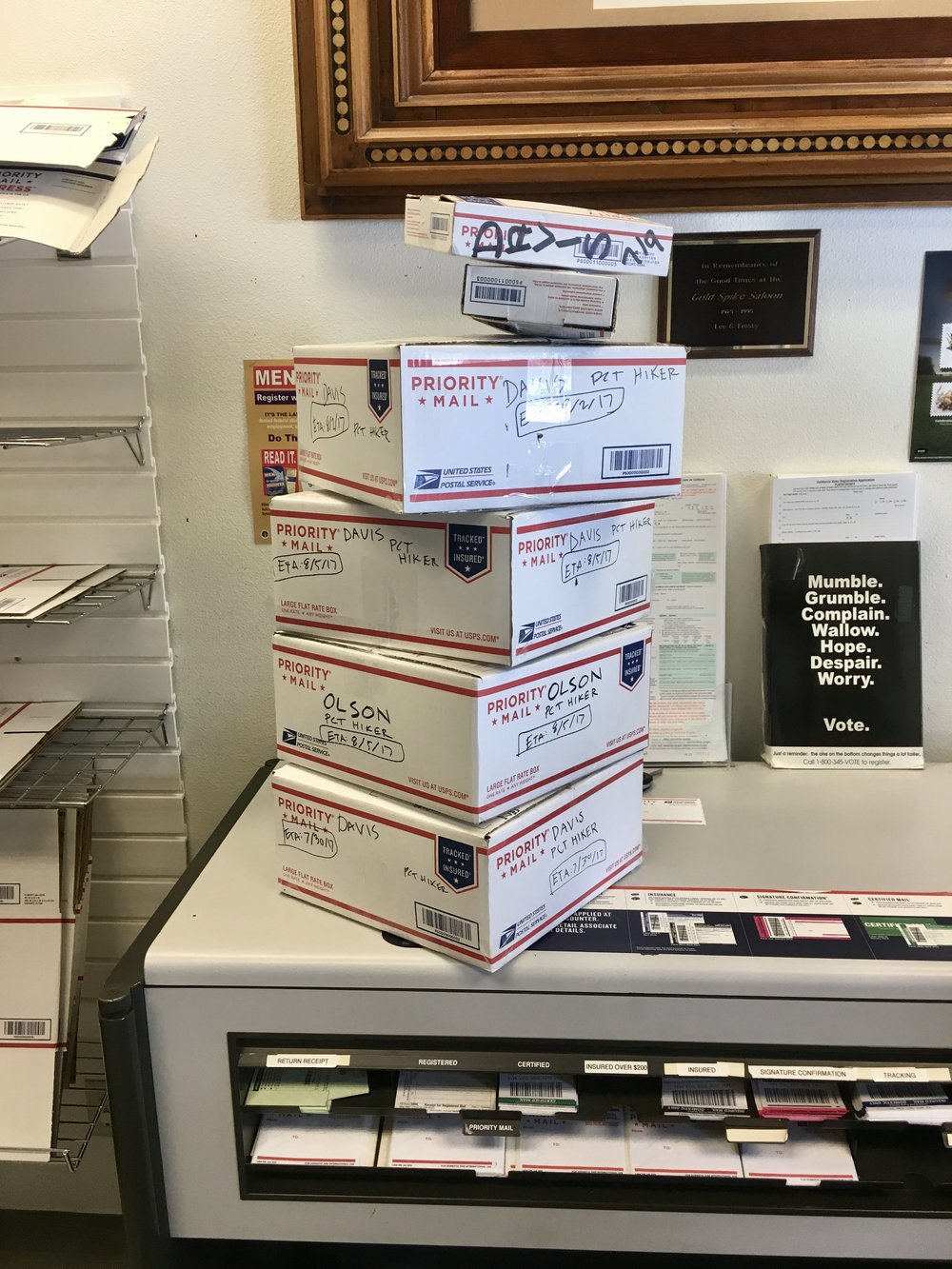
83. A large flat rate USPS box costs $18.85 to send.

A productive trip to the Tahoe City post office

84. It’s possible to both burn and undercook a Knorr’s rice side.

85. Never assume you are at the top of a climb.

86. The golden trifecta of a good lunch spot is shade, water, and sunlight.

87. It’s possible to listen to an entire season of Serial in under two days.

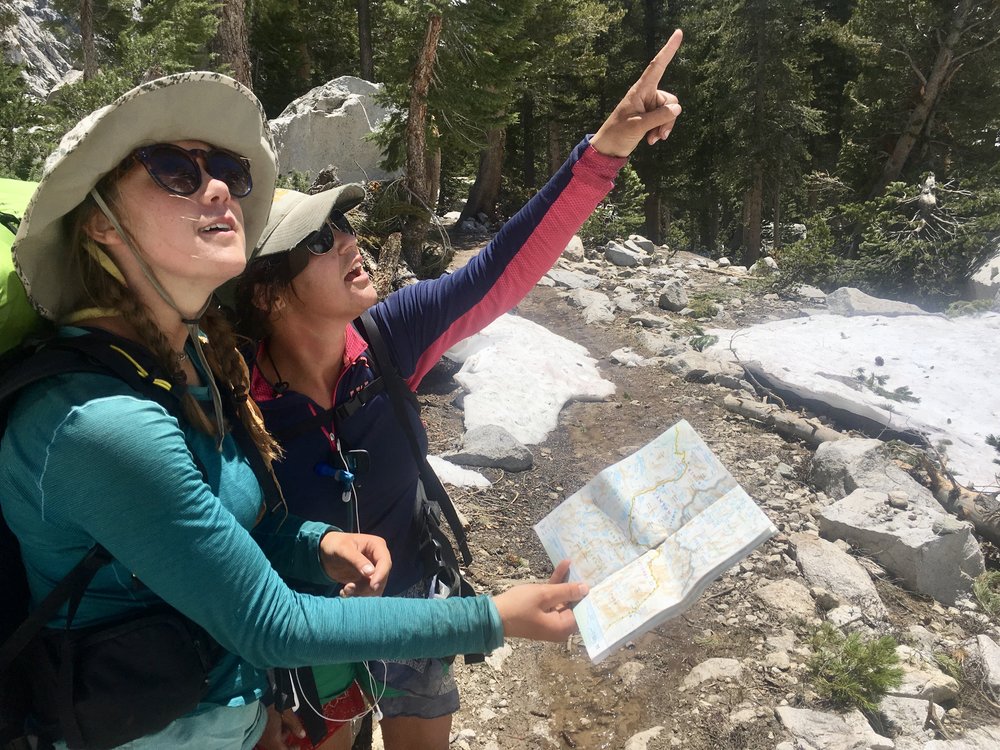
88. Always bring paper maps.

Indigo and Airplane Mode navigating the Sierras in a definitely not staged picture.
Indigo and Airplane Mode navigating the Sierras in a definitely-not-staged picture.

89. When hiking with a group, it’s a good idea to develop a recognizable call such as a “woot woot.” This is easier than yelling, “Hey! Where are you guys?”

90. Mice are more attracted to trash than packaged food.

91. You’re less likely to wake up to condensation on your tent and sleeping bag if you camp underneath trees. #SpotSelection

92. LifeProof phone cases work really, really well.

93. It’s impossible to plan your food resupply when you’re hungry.

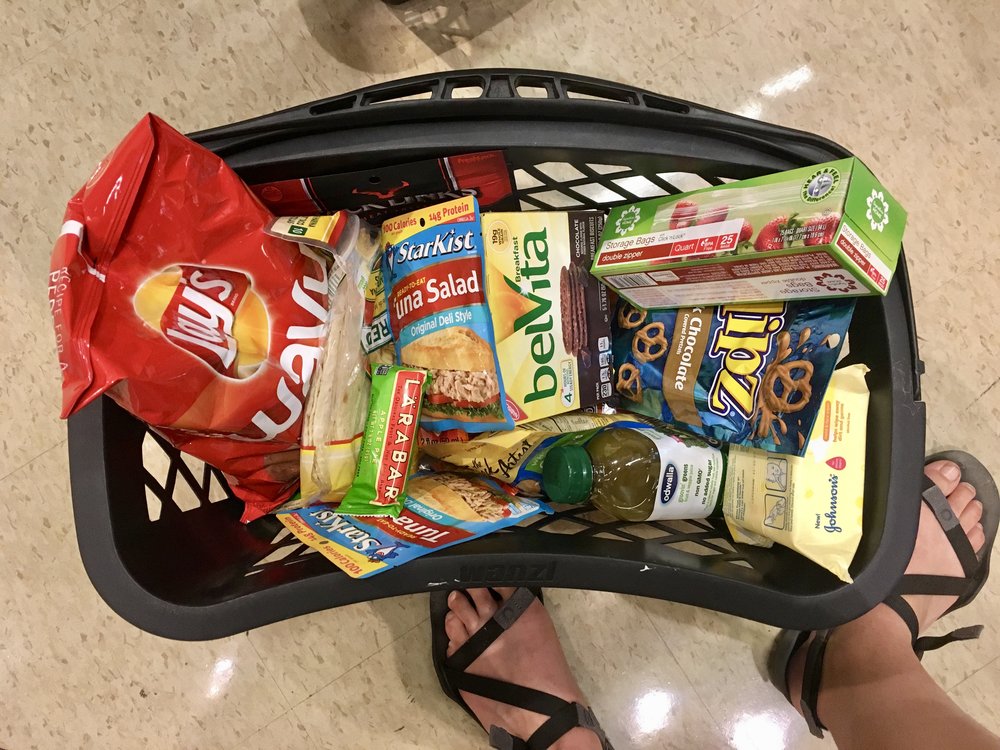
My first attempt at resupplying on trail in Lake Isabella, CA

94. If you don’t eat enough food, you will feel sluggish and terrible.

95. Sometimes it’s better to have one in the hand than two in the bush.

96. A thruhiker’s treat-yourself-day includes painkillers and coffee.

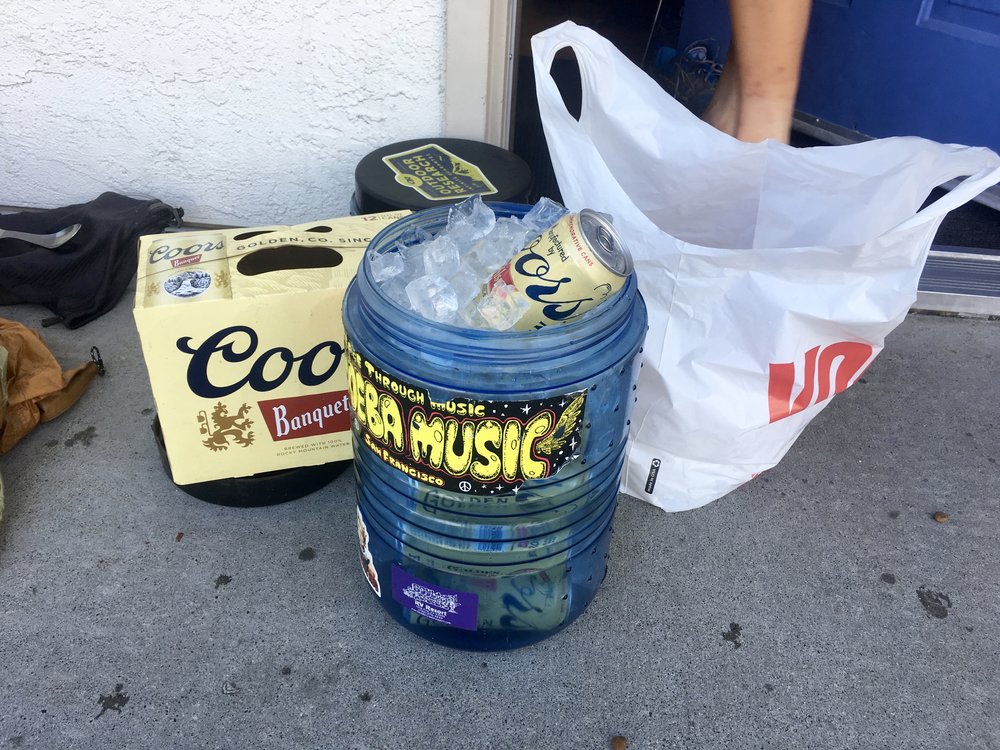
97. A bear canister can double as a beer cooler.

Chilling some beers in Mammoth Lakes, CA

98. The “frontcountry” is the opposite of the backcountry.

99. Crying is sometimes your body’s natural response to freezing cold temperatures.

100. Coffee Break is the classiest break of the day.

101. Early morning miles are the best miles.

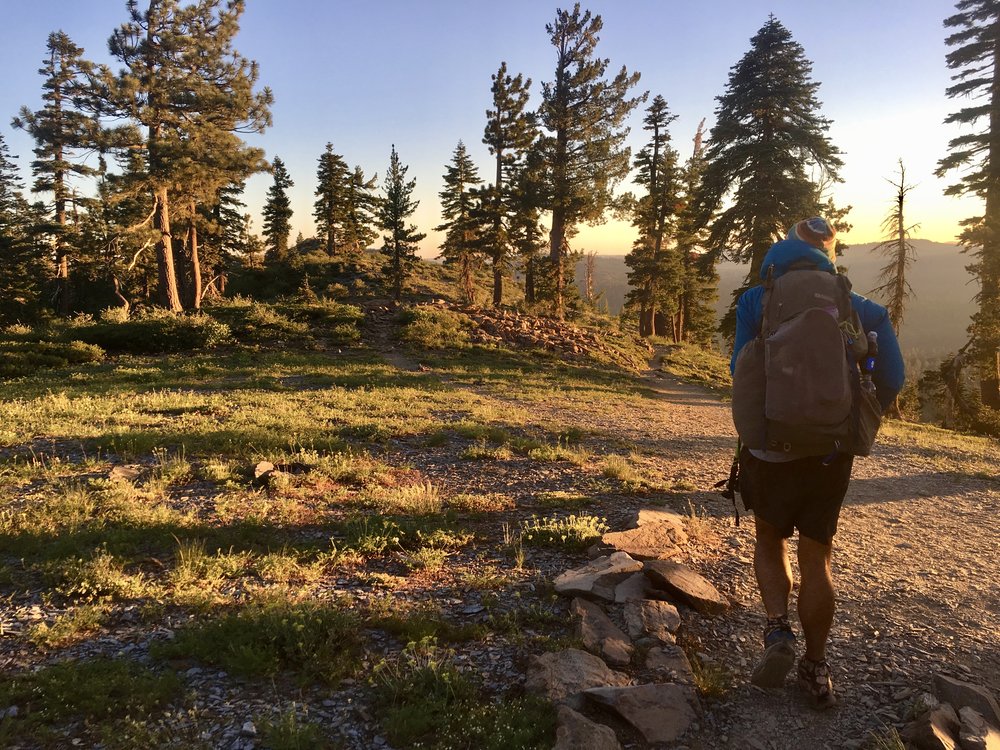
Blis hiking at sunrise somewhere after Sierra City, CA

102. If you live in the woods for long enough, you eventually become what is called “hiker trash” and slowly forget about societal norms. For instance, you might forget that it’s not normal to clip your nails in public or become frustrated that you have to wait in line to use the restroom.

103. Civilization is white wine and fleeces.

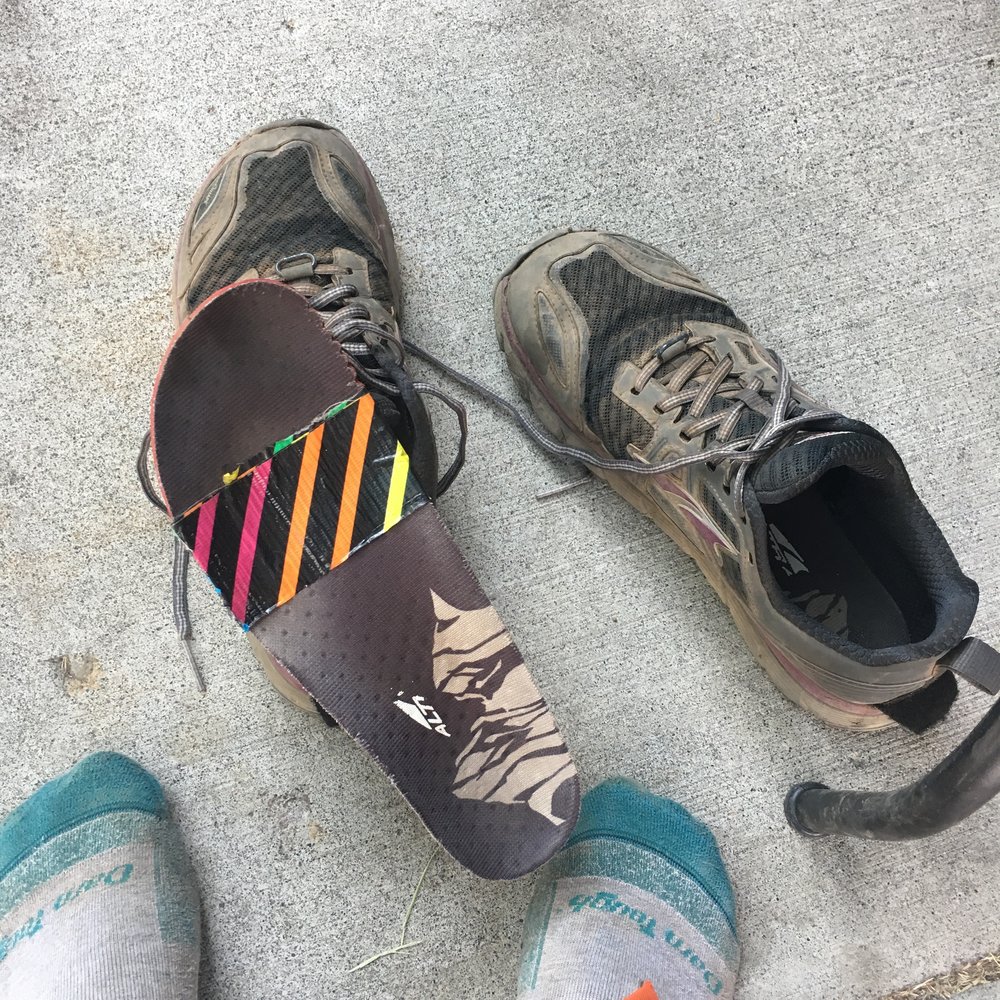
104. If you’re desperate for new insoles, duct taping paper napkins for extra cushion can provide you with brief comfort until you reach a town.

My DIY insole repair next to my sore, numb feet in Old Station, CA

105. If you hike long enough with someone, you will eventually be able to track their footprints.

106. The trail is magical and just might reunite you with most of your original trail family so you can all finish together.

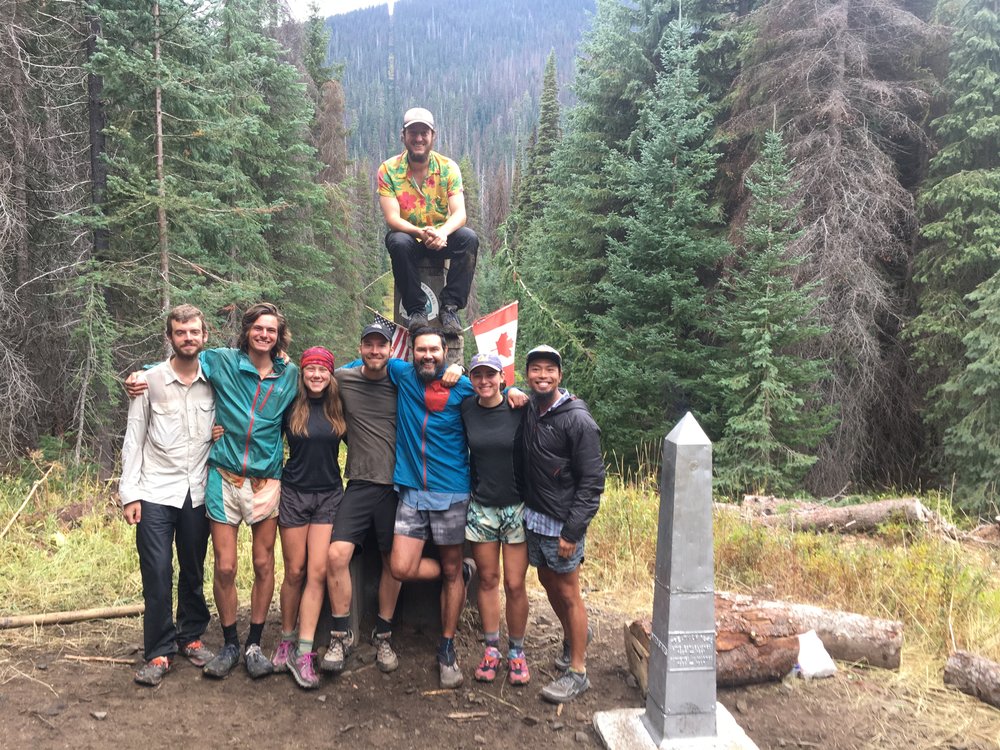
Hatchet, Nobody, Indigo, Doggy, Blis, Trailname, Happy Feet and me at the Northern Terminus

107. FAITH — Years ago, a friend of mine shared a quote with me when I was going through a rough time: “Things work out in the end. If things aren’t working out, then it’s not the end.” I thought of this quote often while on the trail. I can’t think of a better place to believe in this sentiment than on the PCT. I can sometimes be an anxious person, but on the trail I gained faith that things work out. You’ll find the trail. You’ll get a hitch. You’ll make it across the river. You’ll ration your food out well. You’ll get new shoes soon. You’ll make it to Canada. You just have to have faith that it will happen.